Client Login

Backstage Digital – Top Digital Marketing Agency in Texas

Leveraging Social Media Advertising for Business Growth

Leveraging Social Media Advertising for Business Growth

In today’s fast-paced digital landscape, businesses must adopt innovative strategies to stay ahead of the competition. One of the most effective tools at their disposal is social media advertising. With billions of active users across platforms like Facebook, Instagram, LinkedIn, X (formerly known as Twitter), and TikTok, leveraging social media for advertising is no longer just an option—it’s essential. Let’s dive into how businesses can harness the power of social media advertising to fuel growth, enhance brand visibility, and drive conversions.

1. Understanding Social Media Advertising

Social media advertising refers to the use of paid advertisements on platforms like Facebook, Instagram, and LinkedIn to promote a product, service, or brand. These ads are designed to target a specific audience based on demographic information, interests, behaviors, and even geographical location. Unlike traditional advertising, social media ads allow businesses to be more creative, interactive, and precise in their targeting, ensuring a higher return on investment (ROI).

2. Why Social Media Advertising Matters for Business Growth

2.1. Increased Brand Awareness

The primary goal of any business is to increase its visibility. Social media ads can effectively place your brand in front of a massive audience. Whether it’s through sponsored posts, stories, or video ads, these platforms offer a unique opportunity to capture attention. By carefully selecting your target audience, you can ensure that your ad reaches the right people—those most likely to engage with your brand. Social media provides an unmatched opportunity to improve brand visibility across platforms.


2.2. Hyper-Targeting Capabilities

Social media advertising platforms offer incredibly granular targeting options. Facebook Ads, for instance, allows you to target users based on age, location, gender, interests, and even behavior. This ensures that your ads are shown to people who are more likely to be interested in your product or service, ultimately boosting conversion rates and minimizing ad spend wastage. For more advanced targeting strategies, check out our guide to audience segmentation.

2.3. Cost-Effectiveness

Compared to traditional advertising channels like TV or print media, social media advertising is much more affordable. This makes it accessible for businesses of all sizes. Platforms like Facebook and Instagram allow businesses to set their budget, choose between cost-per-click (CPC) or cost-per-impression (CPM) pricing, and optimize campaigns to achieve the best results within their budget constraints. For budget-conscious marketers, learn more about our affordable advertising solutions.

2.4. Enhanced Customer Engagement

Social media is inherently interactive. Users can comment, like, share, and message brands directly, creating a two-way communication channel. This interaction fosters deeper relationships with customers, builds brand loyalty, and encourages word-of-mouth marketing. The more engaged your audience is, the more likely they are to recommend your product or service to others. Check out our tips for improving customer engagement on social media.

2.5. Real-Time Data and Insights

Another compelling reason to leverage social media advertising is the ability to track and analyze campaign performance in real-time. Unlike traditional marketing channels, where it may take weeks to assess the effectiveness of an ad, social media platforms provide instant feedback. You can see which ads are performing well, which demographics are responding to your content, and make adjustments to improve results as the campaign progresses.

3. Choosing the Right Social Media Platform for Advertising

Each social media platform has its unique audience and strengths. Choosing the right platform for your business depends on the goals of your campaign and your target audience.

3.1. Facebook and Instagram: Best for Visual and B2C Campaigns

Facebook remains the largest social media platform, making it a staple for businesses looking to advertise. Whether you’re running a B2B or B2C business, Facebook offers excellent targeting options and ad formats, including carousel ads, video ads, and stories. Instagram, owned by Meta, is particularly powerful for visual storytelling. It’s ideal for businesses with strong visual content, such as fashion brands, food industries, and lifestyle businesses.

3.2. LinkedIn: Best for B2B Advertising

LinkedIn is the go-to platform for B2B marketing. With its professional network of decision-makers and business owners, LinkedIn ads can help your brand reach a high-quality audience. It’s ideal for promoting services like SaaS, consultancy, and recruitment. LinkedIn offers a range of ad types, including sponsored content, message ads, and dynamic ads, all aimed at generating high-value leads. Explore how LinkedIn can boost your B2B marketing strategy.

3.3. TikTok: Best for Trendy, Creative Campaigns

TikTok has exploded in popularity, especially among younger audiences. If your brand can produce creative, fun, and engaging video content, TikTok ads are an excellent choice. The platform’s unique algorithm allows even new accounts to go viral, offering brands a chance to capture the attention of millions with relatively low ad spend. However, TikTok ads are most effective for lifestyle brands, music, entertainment, and products that align with youth culture.

3.4. Twitter: Best for Real-Time Marketing

Twitter is ideal for businesses looking to engage with their audience in real-time. If your brand deals with current events, trends, or customer service, Twitter ads can be an excellent tool for generating buzz and engagement. Promoted tweets and trending hashtags allow you to capitalize on timely conversations, reaching users who are actively discussing relevant topics.

4. How to Create an Effective Social Media Ad

A successful social media advertising campaign is not just about creating a visually appealing ad; it’s about strategy and execution. Here are some key steps to building a successful social media ad campaign:

4.1. Define Your Goals

Before running any ads, you need to define your objectives. Are you looking to increase brand awareness, drive website traffic, generate leads, or boost sales? Each goal requires a different approach, and understanding your objectives will help you create effective ads that deliver measurable results.

4.2. Understand Your Audience

It’s essential to know your target audience before creating any ads. Who are they? What are their interests, behaviors, and pain points? Social media platforms provide in-depth audience insights that can help you refine your targeting to ensure your ads are seen by the right people.

4.3. Use Compelling Visuals and Copy

Your ad’s design and messaging play a critical role in its performance. Use high-quality images, engaging videos, and catchy headlines that speak directly to your audience’s needs. Ensure your copy is concise and action-oriented, encouraging users to click, learn more, or make a purchase. To create ads that convert, check out our creative ad tips.

4.4. Optimize for Mobile

More than half of all social media traffic comes from mobile devices. As such, your ads must be optimized for mobile viewing. Make sure that your visuals are appropriately sized for mobile screens and ensure your landing pages are mobile-responsive for seamless user experiences.

4.5. Test and Optimize

Social media advertising requires ongoing monitoring and optimization. Regularly monitor your campaigns and test different ad variations, including visuals, copy, and targeting options. A/B testing helps identify the most effective strategies, allowing you to optimize your ads for better performance over time.

5. Measuring the Success of Social Media Advertising

To determine whether your social media advertising campaign is successful, you need to track key performance indicators (KPIs). Some important metrics include:

  • Click-through Rate (CTR): Measures the percentage of people who clicked on your ad.
  • Conversion Rate: Tracks how many ad viewers completed a desired action, such as making a purchase or filling out a form.
  • Engagement Rate: Looks at how people are interacting with your ad (likes, shares, comments).
  • Return on Ad Spend (ROAS): Measures the revenue generated for every dollar spent on advertising.

By closely monitoring these metrics, you can continuously refine your campaigns to improve results.

6. The Future of Social Media Advertising

As social media platforms evolve, so too will advertising strategies. Emerging technologies like augmented reality (AR), virtual reality (VR), and AI-powered ad tools are shaping the future of social media advertising. Businesses that stay ahead of the curve and adapt to these changes will be better positioned to maintain a competitive edge in the digital space.

Moreover, with privacy concerns on the rise, platforms are continually updating their data-sharing policies. Advertisers must remain agile and ensure compliance with evolving regulations to continue using these platforms effectively.

Conclusion

Social media advertising offers businesses an unparalleled opportunity to reach a global audience, engage with customers, and drive meaningful results. By understanding your audience, choosing the right platform, and crafting compelling ads, you can leverage social media to fuel business growth. Remember, the key to success in social media advertising lies in continuous learning, testing, and optimization.

Internal Linking Suggestions:

Get Help Today

Nemo enim ipsam voluptatem quia voluptas lorem aspernatur aut odit aut fugit sed quia.



    Add Your Heading Text Here

    Building a Strong Social Media Presence for Your Brand

    Building a Strong Social Media Presence for Your Brand

    In today’s fast-paced digital landscape, a robust social media presence is a vital asset for any brand. With billions of active users across platforms, social media is no longer just a place for social interaction—it’s a powerful marketing tool that can help brands build meaningful connections, drive traffic, and increase conversions. However, the question remains: How can you effectively establish and nurture a strong social media presence that stands out among the noise?


    This guide will explore proven strategies to create an impactful social media presence, offering insights into how you can leverage platforms to drive brand awareness, engagement, and ultimately, revenue. We’ll break down the key components of social media marketing and provide you with actionable tips to take your brand’s digital presence to the next level. 


    1. Understand Your Audience


    Before diving into social media marketing, it’s essential to understand who your audience is. Whether you’re a local business or an enterprise, knowing your target demographic is the first step toward creating content that resonates with them. Understanding their preferences, challenges, and online behaviors can guide your content strategy and help you identify which social media platforms are most effective for your brand.


    Start by conducting audience research through tools like Google Analytics, Facebook Insights, and other platform-specific analytics tools. These can provide insights into the demographics of your audience, including age, gender, location, interests, and online behavior.


    Actionable Tip: Create buyer personas to map out different audience segments and tailor your content accordingly. This allows you to deliver relevant and engaging posts that spark conversation and build a loyal following.


    2. Choose the Right Platforms


    With so many social media platforms available, it can be overwhelming to decide which ones to prioritize. However, not every platform will be right for every brand. Understanding where your audience spends their time is key to selecting the platforms that will yield the best results.


    For example:


    • Instagram is great for visually-driven brands, such as fashion, food, and lifestyle, while also being an effective tool for eCommerce businesses to showcase products.

    • LinkedIn is ideal for B2B companies looking to connect with professionals and thought leaders in their industry.

    • Twitter is perfect for real-time engagement and sharing updates, industry news, and insights.

    • TikTok appeals to younger audiences and offers brands the opportunity to tap into viral trends and creative video content.

    • Facebook offers an all-encompassing platform that reaches a broad audience and provides tools for targeted advertising and community building.

    Actionable Tip: Start by focusing on 2-3 platforms that are most relevant to your target audience. Avoid spreading yourself too thin across multiple platforms. Prioritize quality over quantity.


    3. Create Consistent, High-Quality Content


    Content is king, but consistency is queen. Regularly posting high-quality content is key to maintaining an engaged audience. Whether it’s blog posts, images, videos, or stories, make sure your content aligns with your brand’s messaging and values.


    Here are a few types of content you can create:


    • Educational Content: Share tips, guides, or industry news that provides value to your followers. This positions your brand as an expert in your field.

    • User-Generated Content: Encourage customers to share their experiences with your product or service. This builds trust and serves as social proof.

    • Behind-the-Scenes Content: Show the human side of your brand with behind-the-scenes glimpses, employee stories, or how products are made.

    • Promotional Content: Share special offers, new products, or services, but make sure to balance promotional posts with non-promotional ones to keep your audience engaged.


    Actionable Tip: Create a content calendar to stay organized and ensure you’re posting regularly. This also helps you plan and coordinate content across multiple platforms.


    4. Engage with Your Audience


    Social media isn’t just about broadcasting your message; it’s about creating a two-way conversation. Engage with your audience by responding to comments, messages, and mentions. Show that you care about your followers and value their opinions.


    Here are a few ways to engage with your audience:


    • Respond to Comments and Messages: Make sure to reply to any questions or comments left on your posts. This shows that you’re active and invested in your followers.

    • Run Polls and Quizzes: These interactive content formats encourage engagement and help you gather valuable feedback.

    • Host Contests or Giveaways: This is a great way to encourage user participation and expand your reach.

    • Encourage Conversations: Ask open-ended questions to spark discussion and build community among your followers.


    Actionable Tip: Use social listening tools to monitor mentions of your brand and stay on top of customer feedback. Engaging with your audience in real-time fosters a sense of community and builds trust.


    5. Leverage Influencer Marketing


    Influencer marketing has become one of the most effective strategies for brands to amplify their reach. Partnering with influencers allows you to tap into their established audience and gain credibility. However, it’s important to choose influencers whose values align with your brand and whose followers reflect your target audience.


    There are two main types of influencers:


    • Macro-Influencers: These influencers have large followings (often millions) and can help you reach a broad audience.

    • Micro-Influencers: These influencers have smaller, highly engaged audiences. Their recommendations often feel more authentic and can lead to higher conversion rates.

    Actionable Tip: Start with micro-influencers if you’re on a budget. Their smaller, more engaged audiences often generate higher ROI. Work with influencers who have genuine interest in your products or services for an authentic partnership.


    6. Utilize Paid Advertising


    While organic reach is important, paid social media advertising can help boost your visibility, especially if you’re looking to target specific audiences. Platforms like Facebook, Instagram, and LinkedIn offer powerful ad targeting options, allowing you to reach the right people at the right time.


    Here are some types of social media ads you can explore:


    • Sponsored Posts: Promote your best-performing organic content to reach a larger audience.

    • Video Ads: These are particularly effective on platforms like Instagram and TikTok, where video content is king.

    • Carousel Ads: Allow you to showcase multiple products or features in a single ad, such as a product lineup or step-by-step tutorial.

    Actionable Tip: A/B test your ads to determine which messaging, visuals, and calls to action work best for your audience. Regularly monitor your campaigns to optimize performance.


    7. Track, Analyze, and Optimize


    Tracking the performance of your social media efforts is essential for understanding what’s working and where you can improve. Use the analytics tools provided by each social media platform to measure key metrics like engagement rate, reach, impressions, click-through rate, and conversion rate.


    Here are some important KPIs to track:


    • Engagement Rate: The percentage of people who interacted with your content (likes, shares, comments).

    • Reach: The total number of unique people who saw your content.

    • Traffic: The amount of website traffic generated from social media platforms.

    • Conversions: The number of users who took a desired action (e.g., making a purchase, signing up for a newsletter).

    Actionable Tip: Use tools like Google Analytics and social media management platforms (e.g., Hootsuite, Buffer) to track your performance. Regularly review your metrics and adjust your strategy accordingly.


    8. Stay Up-to-Date with Trends

    Social media trends evolve rapidly, and it’s important to stay ahead of the curve. Whether it’s a new feature on a platform, a viral hashtag, or a shift in user behavior, being proactive and adaptable helps keep your brand relevant.

    Follow industry leaders, attend webinars, and participate in online communities to stay informed about the latest social media trends. Experiment with new formats like Instagram Reels or Twitter Spaces to keep your content fresh and engaging.

    Actionable Tip: Subscribe to blogs, podcasts, and social media newsletters that provide insights into emerging trends. Regularly audit your strategy to incorporate new trends and opportunities.

    Conclusion

    Building a strong social media presence requires more than just posting content regularly. It involves understanding your audience, selecting the right platforms, engaging consistently, and adapting to new trends and technologies. By focusing on creating high-quality content, fostering meaningful interactions, and tracking your results, you can elevate your brand’s digital presence and drive business growth.

    By implementing these strategies, your brand can not only stay relevant in the competitive digital space but also build long-lasting relationships with your audience—ultimately transforming social media from just a marketing tool into a powerful growth engine.

    Get Help Today

    Nemo enim ipsam voluptatem quia voluptas lorem aspernatur aut odit aut fugit sed quia.



      Add Your Heading Text Here

      Oil and Gas Marketing Strategy: What Actually Works in 2025?

      Businessman


      The oil and gas industry in 2025 operates within an environment shaped by global energy transitions, evolving regulatory frameworks, and an increasing demand for transparency. Marketing in this sector demands more than traditional tactics; it requires strategic precision, tech-forward thinking, and an acute awareness of stakeholder expectations. As energy companies pivot toward digital integration and ESG-aligned narratives, the marketing strategies that work now are those rooted in innovation, analytics, and credibility.


      Smart Segmentation and Hyper-Personalization


      One-size-fits-all messaging is obsolete in 2025. Today, successful oil and gas marketing begins with smart segmentation powered by artificial intelligence. AI tools are helping firms segment their audience not just by job title or company size, but by behavior, content consumption patterns, buying cycles, and even sentiment. Marketing campaigns that address each segment’s unique challenges and aspirations enjoy higher conversion rates and deeper trust.

      Using machine learning algorithms, companies can predict when a client might be ready for a new service, then deliver tailored content that speaks directly to that phase in their journey. Personalization at scale isn’t a buzzword anymore—it’s the new normal.


      Digital Infrastructure as a Marketing Asset


      In 2025, a company’s website and digital channels are no longer just touchpoints; they are foundational assets. Oil and gas companies that treat their digital ecosystem as an extension of their salesforce consistently outperform their peers. High-performance websites, like our oil and gas marketing solutions, incorporate real-time content updates, AI-powered chatbots, video explainers, and interactive investment simulations.

      B2B buyers today complete nearly 70% of their decision-making online before contacting a rep. Your digital real estate must be optimized for speed, accessibility, and SEO performance. Voice search optimization and zero-click search readiness are particularly relevant in 2025, especially for companies targeting engineers, procurement officers, and government stakeholders.


      Value-Led Thought Leadership


      While content marketing remains central, the difference in 2025 is the demand for actionable intelligence. The most successful companies are not just producing blogs or videos; they are offering high-value thought leadership grounded in proprietary data and emerging industry insights. Static whitepapers and generic guides are replaced with interactive dashboards, augmented reality explainers, and virtual events hosted in the metaverse.

      These thought leadership efforts must align with real-world impact. Publishing an in-depth report on methane emissions reduction or blockchain-based supply chain security will outperform self-promotional content. This builds authority and attracts organic backlinks, which further support SEO strategies for oil and gas companies.


      Paid Media Precision with First-Party Data


      With third-party cookies being phased out, marketers in oil and gas are leaning heavily on first-party data. In 2025, paid media success depends on the precision of custom audience building and retargeting. Advanced CRM systems integrated with programmatic ad platforms enable marketers to launch campaigns that are deeply personalized, efficient, and optimized in real-time.

      Campaigns are tailored by stakeholder type—investors, regulators, suppliers, or potential hires—each with distinct messaging and creative assets. Display advertising is supplemented with immersive formats like 3D ads, shoppable videos, and contextual placements in virtual industry events.


      ESG Storytelling That’s Measurable


      Environmental, Social, and Governance (ESG) isn’t just a checkbox in 2025. It’s a core element of reputation management and investor relations. What sets successful oil and gas marketing apart today is its ability to translate ESG initiatives into measurable, visible actions. Instead of vague pledges, leading brands are using data dashboards, satellite imagery, and blockchain to offer verifiable proof of sustainability claims.

      Interactive microsites with live project tracking, carbon offset portfolios, and diversity data dashboards are among the assets now being developed as part of digital campaigns. These also serve as premium landing page conversion tools, drawing inbound traffic from ESG-conscious clients and institutional investors.


      Integrated Tech Stack for Marketing Automation


      Full-funnel automation is essential in 2025. From the first website visit to lead scoring and sales handoff, oil and gas companies are leveraging integrated tech stacks that unify CRM, CMS, analytics, and ABM (account-based marketing) tools. This reduces friction, speeds up conversion, and provides clear ROI attribution.

      Marketing teams now operate with predictive analytics, real-time performance monitoring, and dynamic content adjustment based on user behavior. High-performing agencies offering oil and gas marketing services implement automated lead qualification workflows and chat support bots trained on client FAQs and industry documentation.


      Social Channels with B2B Influence


      LinkedIn remains the dominant social platform for oil and gas in 2025, but TikTok, YouTube Shorts, and niche engineering forums have carved out serious influence. Short-form content showcasing field innovation, safety procedures, and employee stories adds authenticity and builds brand equity. These platforms also serve recruitment objectives, another crucial component of oil and gas growth marketing.

      Visual storytelling is central to performance. Drone footage, 360-degree field views, and AI-generated explainers are part of the top-performing campaigns. Social listening tools also track sentiment and detect emerging pain points before they become crises.


      Strategic Partnerships and Industry Networks


      High-impact marketing strategies in 2025 prioritize strategic alliances with industry publications, think tanks, and professional networks. Instead of one-off sponsorships, companies are investing in long-term partnerships that integrate content, co-hosted events, and community building.

      These partnerships often include joint research releases, video series, and webinars hosted on third-party platforms. This approach enhances credibility and distributes brand reach across high-trust environments. The emphasis is on being seen as a facilitator of industry innovation rather than just another vendor.


      Mobile-First and Field-Focused UX


      Field professionals increasingly rely on mobile devices to access industry content and make decisions. Mobile-first design in 2025 isn’t a bonus—it’s a baseline requirement. Oil and gas marketing must deliver seamless mobile UX with features like GPS-enabled location finders, downloadable spec sheets, and offline-accessible tools.

      In addition, progressive web apps (PWAs) are gaining traction for their ability to provide app-like experiences without requiring a download. This is especially useful for companies with distributed workforces or remote project sites. Ensuring your digital presence is mobile-optimized helps you stay ahead in field engagement.


      Dynamic, Transparent Pricing Strategies


      Another trend reshaping marketing in the sector is transparency in pricing. Especially in B2B deals where quotes vary based on specs, geography, and regulatory requirements, dynamic pricing models supported by calculators and configurators can enhance buyer confidence.

      Providing upfront pricing transparency with interactive quote tools not only speeds up the sales cycle but also builds trust. It also allows sales reps to focus on strategic discussions rather than administrative back-and-forths.


      Embracing Cultural Storytelling and Local Narratives


      With operations spanning diverse geographies, oil and gas brands in 2025 must integrate cultural intelligence into their storytelling. Regional campaigns featuring local workers, community investment projects, and indigenous partnerships enhance social license to operate.

      Storytelling that respects and elevates local narratives is not only a compliance requirement in many regions, but a powerful trust-building mechanism. Marketing campaigns that ignore this dimension are increasingly seen as tone-deaf or opportunistic.


      Final Thought


      Marketing in the oil and gas industry in 2025 is defined by precision, trust, and tech enablement. It’s about elevating your digital presence, speaking directly to stakeholders with smart data, and creating credible, high-value experiences that build lasting relationships.

      For companies looking to implement these strategies effectively, explore our oil and gas marketing services or get in touch with us for a tailored roadmap to elevate your marketing ROI.

      Why Your Oil & Gas Company Needs a Digital-First Branding Strategy

      Digital Marketing


      The oil and gas industry stands at a crucial crossroads. As geopolitical dynamics, environmental accountability, and market fluctuations continue to shape its trajectory, traditional business models can no longer thrive in isolation. In a sector known for its engineering precision and operational complexity, a powerful shift is underway: brand perception is becoming as critical as technical expertise. To stay competitive and relevant in today’s marketplace, adopting a digital-first branding strategy is no longer optional—it’s essential.


      Industry-Specific Branding Challenges


      Oil and gas companies face a unique set of challenges when it comes to branding. Unlike consumer-facing industries, energy companies operate in a space that demands both regulatory rigor and public trust. The stakes are higher, especially in an era where environmental consciousness is influencing stakeholder expectations.

      Traditional branding methods often fall short of addressing modern communication needs. Brochures and offline presentations no longer suffice. Energy brands must now engage audiences across multiple digital channels, offering transparency, thought leadership, and value in real time. This necessitates a new playbook—one that places digital at the center of brand strategy.


      Why Digital-First Is Non-Negotiable


      In today’s digitally driven environment, decision-makers within the B2B oil and gas space conduct significant online research before initiating any form of contact. This means that your digital presence—your website, search engine visibility, content ecosystem, and social footprint—is often your first and only shot at making an impression.

      A digital-first strategy does more than just improve visibility; it reinforces credibility. When prospects search for top-tier service providers, those with consistent branding, an authoritative voice, and up-to-date content are far more likely to make the shortlist. Digital branding, in essence, creates a trust ecosystem that functions 24/7.


      Enhancing Brand Equity through Strategic Messaging


      In a high-stakes sector where reputation can shift in an instant, clarity of messaging is vital. Your brand voice should reflect your industry leadership, safety standards, technological innovation, and sustainability practices. A digital-first approach allows for controlled, strategic dissemination of such messages.

      Consistent messaging across your oil and gas marketing channels establishes a tone that aligns with your corporate values. Whether it’s a well-articulated value proposition on your homepage or a timely LinkedIn post on your latest offshore innovation, each touchpoint contributes to a larger narrative of trust and capability.


      Leveraging SEO for Long-Term Visibility


      Search engine optimization (SEO) is often underutilized in the oil and gas sector. However, it is one of the most potent tools in digital branding. By targeting high-intent keywords like “energy logistics solutions” or “oilfield digital transformation,” companies can improve their visibility among decision-makers actively seeking partners.

      Integrating SEO across your content architecture—from blog articles and service pages to meta descriptions and schema markup—ensures that your brand surfaces organically in search results. This not only boosts traffic but also positions your business as a go-to resource within the industry.


      Future-Proofing Through Digital Infrastructure


      The energy sector is rapidly evolving, with digital transformation initiatives ranging from IoT-enabled operations to blockchain-based supply chains. Yet many companies fail to align their branding strategies with this technological evolution.

      A modern digital-first branding strategy should reflect and support these innovations. This means investing in a responsive, mobile-optimized website, utilizing data-driven insights to inform content, and deploying automation tools to streamline customer engagement. A forward-thinking digital infrastructure becomes the backbone of long-term brand equity.


      Building a Content Ecosystem That Educates and Converts


      A strong digital brand is fueled by content that informs, engages, and converts. Unlike mass-market industries, oil and gas clients value technical depth and industry relevance. This makes your content an essential component of brand authority.

      Educational blogs, whitepapers, explainer videos, and technical webinars can showcase your subject matter expertise. Each piece of content should guide your audience along the buyer journey—from awareness to decision-making—while reinforcing the brand identity you’ve carefully crafted.

      To further strengthen your strategy, align your content themes with high-intent industry keywords and distribute them across platforms where your audience actively engages. This is where a focused oil and gas digital marketing agency can deliver exponential results.


      Digital Branding as a Recruitment Magnet


      In a competitive labor market, digital branding is also key to talent acquisition. Top-tier engineers, geologists, and project managers want to work with companies that are forward-looking and tech-savvy. Your digital presence—especially on career pages and social media platforms—should reflect a culture of innovation and impact.

      Highlight your ESG initiatives, showcase behind-the-scenes project highlights, and humanize your brand through employee stories. By building a relatable and inspiring brand image online, you not only attract clients but also the workforce that drives long-term success.


      Integrated Marketing for Unified Messaging


      Brand cohesion is often overlooked in the oil and gas industry, where siloed marketing efforts can dilute your messaging. A digital-first strategy enables integrated marketing, ensuring that your email campaigns, social media posts, PPC ads, and landing pages all speak with a unified voice.

      This consistency across platforms solidifies your market positioning. It also improves campaign effectiveness, as your audience receives a clear, concise message regardless of where or how they interact with your brand.


      Continuous Optimization & Performance Tracking


      One of the advantages of digital branding is the ability to iterate based on performance. With analytics tools, A/B testing, and heat mapping software, companies can assess user behavior, identify friction points, and refine their digital strategy in real time.

      This commitment to continuous improvement not only drives better ROI but also ensures that your brand remains agile and relevant amid industry shifts.


      Working with Industry-Specific Experts


      Generalist marketing agencies often miss the nuances that define oil and gas branding. From compliance requirements and geopolitical sensitivities to the complexity of supply chain logistics, your branding partner must understand the terrain.

      Choosing a specialized partner like Backstage Digital means you benefit from domain-specific insights, tailored content strategies, and precision marketing execution. We combine creative strategy with industry fluency to deliver digital-first branding that moves the needle.


      Taking the Next Step


      Transforming your brand into a digital-first powerhouse requires more than a few website tweaks. It calls for a cohesive strategy, technical expertise, and a partner that understands your market challenges. If your oil and gas business is ready to build a future-proof brand, get in touch with us today and let’s chart a path forward together.

      By embracing a digital-first approach, oil and gas companies can transcend outdated communication models and position themselves as industry leaders in an increasingly transparent, connected, and value-driven world. The time to start is now.


      The Power of Blogging in Digital Marketing

      The Power of Blogging in Digital Marketing

      When I first stepped into digital marketing, I saw blogging as an afterthought—something you did if you happened to have extra time. But working with clients across industries quickly changed that perspective. I learned that blogging is no longer optional; it’s the foundation of a strong digital presence. In today’s world, where content fuels discovery, blogging has become one of the most powerful drivers of visibility, authority, and long-term business growth.

      In this blog, I’ll break down why blogging is important for businesses, especially if you’re looking to strengthen your online presence. I’ll also walk you through the SEO benefits, the value of thought leadership, and how customer engagement and keyword targeting make blogging a must-have in your content strategy.

      If you’ve been unsure about how or why to start a blog, this is your sign.


      Why Is Blogging Important for Businesses?

      I get this question a lot from small business owners to corporate marketing teams. The short answer? Because your blog is your brand’s voice. It’s how you show up in search, how you build trust, and how you keep your customers coming back.

      Here’s what a blog can do:

      When you view your blog not just as content, but as a strategic asset, that’s when the magic happens.


      1. SEO Benefits: Get Found Without Paying for Clicks

      Let’s start with what everyone wants: more visibility.

      When I work with clients on content strategy, blogging is always the first line of offense in their SEO plan. Each blog creates new opportunities to rank for the exact keywords your customers are already searching for.

      Unlike paid ads, where every click comes with a price tag, organic blog traffic is free and built to last. A well-optimized post can keep bringing in visitors for months—or even years—after it goes live.

      Here’s how blogging fuels your SEO:

      Tip: I always align blog topics with my core services to drive relevant traffic. If you haven’t mapped your content to your services, start there.


      2. Blogging Builds Thought Leadership

      In digital marketing, nothing is more powerful than trust. And trust isn’t built on flashy branding, it’s built on showing up with consistency and expertise.

      A blog gives you the perfect platform to do just that. It’s where you can educate, inform, and inspire your audience while proving that you understand their challenges and have real solutions. By sharing your insights, experiences, and lessons learned, you position your brand as more than a service provider—you become a trusted authority in your space.

      At Backstage Digital Agency, for instance, we don’t just talk about what we offer, we pull back the curtain and share the strategies we use ourselves. A post like ‘7 Ways to Ignite Your Business with Digital Marketing’ isn’t just content; it’s proof of value before the sale even happens.

      When your blog reflects what you know and believe, it builds confidence in your readers. And confident readers become paying clients.


      3. Customer Engagement: Speak Directly to Your Audience

      Let’s be honest. Blogging is the most scalable way to hold one-on-one conversations with thousands of people at once.

      Unlike social media, where posts get buried in a fast-moving feed, blogs live on your website and continue delivering value long after they are published. That means your audience can engage on their own terms, whether they are reading a guide, exploring tips, or solving a problem.

      Here’s how I use blogs to drive real engagement:

      •  

      When done well, blogs do more than inform. They hold attention, guide visitors through your site, and ultimately convert curiosity into action.


      4. Content Planning: Build with Purpose

      One of the biggest mistakes I see businesses make is publishing blog posts without a clear direction. I used to fall into that same trap, writing whatever felt good in the moment. Over time I learned that the real power of blogging comes from intentional content planning. Every post should connect back to your audience’s needs and your business goals.

      Every piece of content I create is built around a core business objective. That could be:

       always start with the question: What’s the goal of this content?

      From there, I reverse-engineer the structure, tone, format, and CTA.

      If you’re not sure where to start, use your customer journey as a blueprint. Ask yourself:

      Then plan your blogs around that.


      5. Keyword Targeting: Align with Search Intent

      Let’s get a little technical.

      Your blog is one of the best places to implement keyword targeting without sounding robotic. Unlike product or service pages, blog posts allow for natural keyword integration, so your content feels human while still optimized.

      Here’s my simple process:

      Pro tip: I always make sure to link back to key service pages, contact forms, or lead magnets to turn blog readers into prospects.


      6. Internal Linking: Your Secret SEO Weapon

      One of the most underrated blogging tactics is internal linking.

      By strategically linking blog posts to your other pages like services, testimonials, FAQs, or contact pages you do two things:

      When I build blog clusters, several posts centered on a single theme, I connect them to a pillar page. This structure creates a clear content silo that signals to search engines, ‘This site is a trusted authority on this topic.


      7. Consistency Over Perfection

      If there’s one thing I’ve learned, it’s this: consistency beats perfection.

      You don’t need to write viral blog posts. You need to write valuable, relevant, and timely content on a regular basis. Whether it’s weekly, bi-weekly, or monthly, your audience (and Google) will reward consistency.

      At Backstage Digital Agency, we encourage our clients to create a content calendar. It doesn’t need to be complicated. Just decide:

      Then stay the course. The results are worth it.


      8. Blogging Supports Your Full Funnel

      The beauty of blogging is that it touches every stage of your funnel.

      When I build blog strategies, I map each topic to a stage in the funnel. That way, no matter where a visitor enters, there’s content tailored to their intent.


      9. Evergreen vs Timely Content: Use Both

      Your blog should have a mix of evergreen and timely content.

      Evergreen posts bring steady traffic, while timely posts show relevance and boost short-term visibility.

      I always recommend creating pillars of evergreen content supported by timely updates to keep things fresh.


      Conclusion: Blogging Is a Business Asset—Not a Chore

      Blogging isn’t just about writing. It’s about connecting, educating, and converting. Moreover, it’s a critical part of any well-rounded digital marketing strategy. When done intentionally, it can help you:

      If you’re ready to build a blog that actually drives results, I’m here to help. Blogging is one of our core strategies at Backstage Digital Agency, and we’ve seen it transform businesses of all sizes.

      Need help planning or writing your next blog series? Contact us today through our Contact Us page and let’s turn your content into a growth engine.


      Frequently Asked Questions (FAQs)

      Q1: Why is blogging important for businesses in 2025?

      Blogging remains important because it builds trust, improves SEO, and helps businesses connect with their audiences at every stage of the funnel.

      Q2: How often should a business blog?

      Consistency matters more than frequency. A weekly or bi-weekly blog schedule is ideal for most small to mid-sized businesses.

      Q3: What types of blog posts perform best?

      Educational posts, how-to guides, industry insights, and answers to common questions tend to perform well, especially when optimized for keywords.

      Q4: Can blogging help with customer retention?

      Absolutely! Blogging keeps your audience engaged, nurtures long-term relationships, and reinforces your authority.

      Q5: How do I get started with a content plan?

      Start by identifying your goals, audience, and key services. Build topics around your customer journey and align each post with a keyword and CTA.

      Get Help Today

      Nemo enim ipsam voluptatem quia voluptas lorem aspernatur aut odit aut fugit sed quia.



        Creating Compelling Content That Converts

        Creating Compelling Content That Converts

        When I first started helping brands grow online, I realized quickly that there’s a huge difference between content that fills space and content that actually works. At Backstage Digital Agency, we don’t just write fluff, we create purpose-driven content that aligns with your audience, your message, and your goals.

        In this guide, I’ll show you how to write content that converts by focusing on your audience, integrating SEO, and using clear calls to action. This resource is built to give both new and experienced marketers practical insights and a proven strategy they can put into action right away.


        Understanding the Role of Content in Conversion

        When I first started crafting marketing strategies, I quickly learned that good content is more than informative, it’s persuasive. The role of content in any conversion strategy is simple: guide your reader to take action. That could mean signing up for a newsletter, requesting a consultation, or purchasing a product.


        But what makes that happen? It’s the combination of:


        1. Clear messaging
        2. Value-driven storytelling
        3. A deep understanding of who the reader is
        4. Strategic call-to-action placement
        5. Emotional and logical appeal

        At our agency, we focus on creating conversion-driven content that not only educates but motivates.


        Knowing Your Audience

        Before I write a single sentence, I always ask: “Who am I talking to?” Because if I don’t know the audience, I can’t connect with them. For instance, if I’m writing to a time-strapped small business owner, I know they need clarity and quick wins, not a 20-page report.


        To truly reach and convert your audience, you need to:

        • Create detailed buyer personas
        • Understand their pain points and motivations
        • Know where they are in the buyer journey
        • Align your language and tone to their expectations

        Audience targeting isn’t just about demographics it’s about speaking your reader’s language and answering their unspoken questions. This is how trust and relevance are built.


        Mastering the Art of Storytelling

        One of the most powerful tools in a marketer’s toolbox is storytelling. Facts tell. Stories sell. I’ve seen even the most skeptical readers lean in when a story reflects their own struggle.


        Here’s how I approach storytelling in content:

        • Start with a hook – something that immediately connects or surprises.
        • Identify a problem the audience is facing.
        • Introduce the solution your product, service, or idea.
        • Show transformation through examples, testimonials, or case studies.

        When you frame your message as a story, it sticks. Readers can picture themselves in the situation and feel compelled to take action.


        Choosing the Right Content Formats

        Not every message belongs in a blog post. Sometimes a video, infographic, or case study performs better. One of the most important things I’ve learned is to choose the content format based on the audience and the intent.


        Here are some formats I use regularly:

        • Blog posts (like this one) for thought leadership and organic traffic
        • Landing pages for focused conversion
        • Emails for nurturing leads
        • Whitepapers and guides for in-depth education
        • Social media posts for engagement and visibility

        By diversifying content formats, I make sure the message reaches people in the way they’re most likely to receive and act on it.


        Using Call-to-Action Strategies That Work

        Let’s be honest, a weak call to action (CTA) can ruin great content. I always build my CTAs to guide the reader with clarity and confidence.


        Here’s what I’ve found works best:

        • Use action-oriented language (e.g., Start your free trial, Get your custom plan)
        • Create urgency when appropriate (Limited slots available)
        • Make the CTA relevant to the content topic
        • Test CTA placement sometimes the right spot is halfway through, not just at the end

        I’ve seen significant performance improvements just by changing how and where I place CTAs. It’s all about meeting the reader at the right moment with the right message.


        Integrating SEO Without Losing the Message

        Too many times, I’ve seen content written for search engines but not for people. That’s a big mistake. My approach is always human-first, SEO-smart. Remember, people don’t search for keywords—they search for solutions. That’s why SEO should never come at the expense of clarity.


        Here’s how I integrate SEO:

        • Start with intent-based keywords, like “how to write content that drives conversions”
        • Use headings to structure content clearly
        • Write compelling meta titles and descriptions that entice clicks
        • Internally link to relevant services (like our content marketing services)
        • Avoid keyword stuffing use natural variations and focus on clarity

        When SEO is done right, your content ranks well and connects with the reader.


        Aligning Content With Business Goals

        Every piece of content I create is built around a core business objective because without a clear purpose, even the most well-written content can fall flat. Before I put pen to paper (or fingers to keyboard), I ask myself: What is this content meant to achieve? That single question shapes everything that follows.

        For example, if the goal is driving leads, I focus on persuasive messaging, strong calls to action, and clear value propositions that guide the reader toward conversion. If the goal is educating customers, I dive deep into explaining concepts, offering step-by-step guidance, and providing real value that builds trust and positions the brand as an authority.


        When it comes to increasing brand awareness, I prioritize storytelling, voice consistency, and shareable formats that resonate emotionally and expand reach. For content aimed at supporting the sales team, I create assets like case studies, product comparisons, and objection-handling guides that can be used throughout the sales funnel. And if the objective is client retention, I focus on helpful resources, success stories, and nurturing content that keeps your brand top-of-mind and builds long-term loyalty.

        By always starting with the end in mind, I’m able to reverse-engineer the structure, tone, format, and CTA of the content. This ensures every word serves a specific function and contributes directly to a larger business outcome. That’s the difference between content that just exists and content that performs.

        I know it’s tempting to create content just because it sounds good—but if it’s not tied to a business goal, it’ll only collect digital dust.


        Measuring and Optimizing for Better Conversions

        Once content is published, the work isn’t over. I constantly measure content performance to learn what works and what needs to improve.


        Key metrics I monitor:

        • Bounce rate
        • Time on page
        • Scroll depth
        • Conversion rate
        • Engagement (shares, comments, replies)

        With tools like heat maps and user recordings, I can see exactly where users drop off or engage and make smart improvements over time.


        Common Mistakes to Avoid

        I’ve made every one of these mistakes myself—and occasionally still do. The key is being willing to step back, analyze what went wrong, and make the pivot. Some of the most common content marketing pitfalls include:

        • Writing without a clear goal
        • Ignoring the reader’s journey
        • Using weak or generic CTAs
        • Overlooking the power of visual content
        • Forgetting internal links to relevant services
        • Focusing only on keywords, not on substance

        Avoiding these will save you time, budget, and lost leads.


        Final Thoughts

        At the end of the day, content is about people—connecting, helping, and building trust. The conversions are just the proof that you did it right.

        At Backstage Digital Agency, that’s exactly what we offer through our content marketing services: results-driven, business-aligned content that does drives results.


        If you’re ready to build content that works harder for your business, contact us today. I’m here to help.

        Let me know if you’d like to hyperlink contact us or connect it to a specific form/page.


        FAQs

        Q1. What is conversion-driven content?
        Conversion-driven content is designed to motivate readers to take specific action, such as making a purchase, signing up, or booking a service. It blends storytelling, value, SEO, and persuasive CTAs.

        Q2. How do I create a strong call-to-action?
        Use action-based language, align the CTA with your audience’s intent, place it strategically, and create a sense of urgency or value.

        Q3. Can SEO and storytelling work together?
        Absolutely. When done right, SEO helps your content get discovered, while storytelling ensures your message resonates with readers and drives engagement.

        Q4. Why isn’t my content converting?
        Common reasons include lack of clear audience targeting, poor CTA placement, irrelevant content format, or misaligned messaging with business goals.

        Q5. What types of content are best for conversions?
        Landing pages, blog posts with strategic CTAs, case studies, and well-segmented email campaigns are some of the highest-converting content formats I use.

        Get Help Today

        Nemo enim ipsam voluptatem quia voluptas lorem aspernatur aut odit aut fugit sed quia.



          How to Bulk Remove URLs from Google Search Index

          engineering

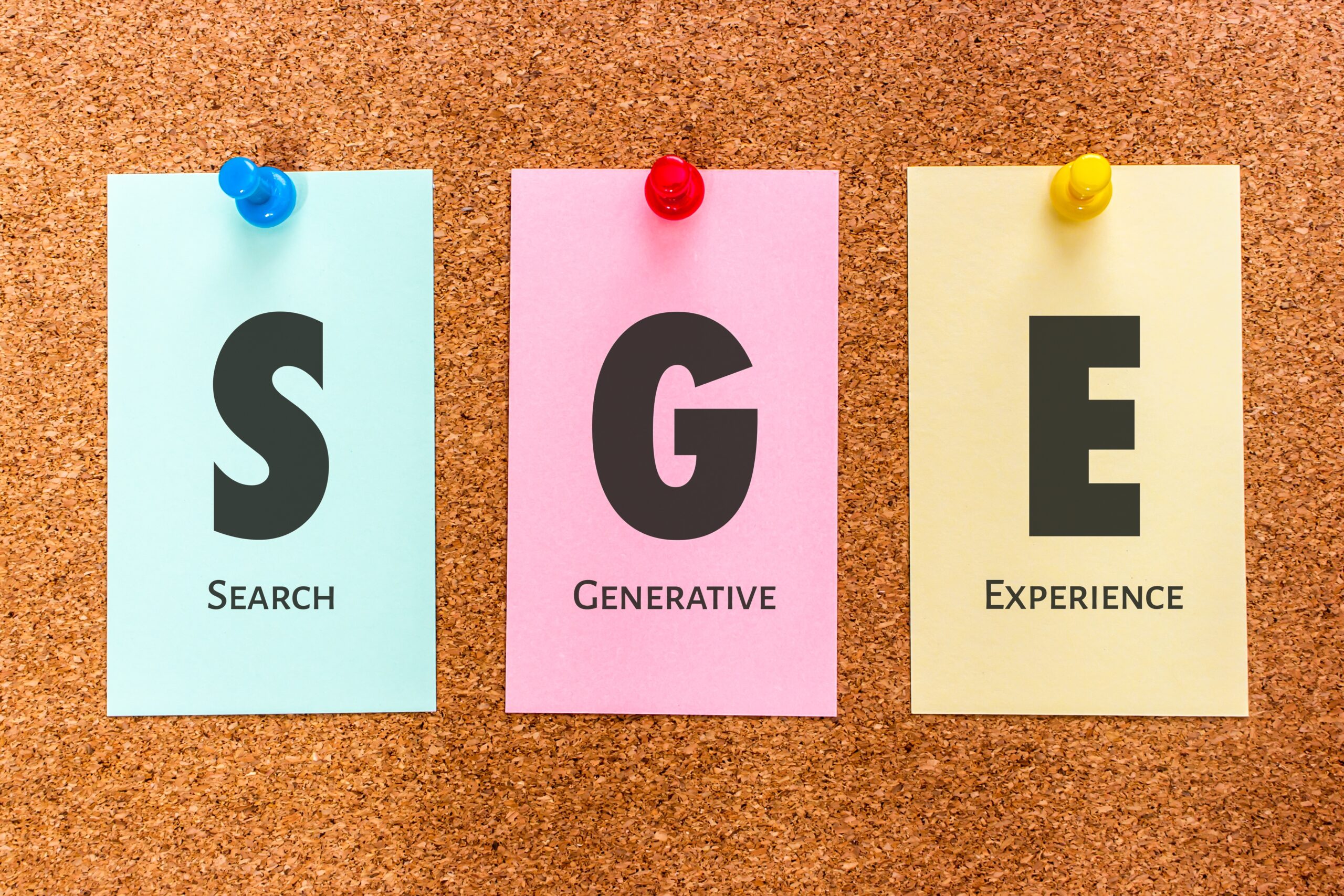
          Mastering Google’s Search Generative Experience: A Comprehensive Guide for Businesses

          1. Understanding the Importance of URL Removal in SEO

          1. Managing your website’s presence in Google’s search index is essential for SEO.
          2. Removing URLs helps maintain a strong, optimized digital footprint.

          Key Reasons for URL Removal:

          1. Outdated content appearing in search results.
          2. Duplicate pages affecting SEO performance.
          3. Sensitive information that needs immediate removal.
          4. Test pages accidentally indexed by Google.
          5. Product pages for discontinued items.

          Benefits of Bulk URL Removal:

          2. Types of URL Removals and Their Implications

          Businessman hand touching

          Index Removal vs. Web Removal

          Types of Removal Requests:

          1. Temporary Removal (Lasts 90 days, no changes to website content)

          2. Permanent Removal (Requires technical changes)

          Common Scenarios for URL Removal:

          Consequences of Poor URL Management:

          1. Search ranking fluctuations.
          2. Broken user experiences.
          3. Indexed sensitive information.
          4. Duplicate content penalties.
          5. Wasted crawl budget.

          3. Step-by-Step Guide to Removing URLs Using Google Search Console

          Step 1: Access Google Search Console

          Step 2: Locate the Removals Tool

          Step 3: Submit a New Removal Request

          • Enter the URL and choose:

          Step 4: Track Your Removal Status

          Note: Google limits URL removal requests to 1,000 per month. Prioritize critical URLs.

          4. Using Chrome Extensions for Bulk URL Submission

          Why Use a Chrome Extension?

          Steps to Prepare Your URLs for Bulk Submission:

          Format Requirements:

          Pro Tip:

          5. Best Practices for Temporary vs. Permanent Removals

          Temporary Removals:

          Permanent Removals:

          • Requires specific technical implementations like:

          Best Practices:

          6. Ensuring Effective Use of Bulk URL Removal Tools

          Setting Up the Chrome Extension:

          Common Pitfalls to Avoid:

          Pro Tip:

          7. Key Considerations Before Removing URLs

          Essential URL Assessment Checklist:

          Red Flags:

          Alternative Solutions Instead of Removal:

          8. Final Thoughts: Maintaining a Healthy Website Presence

          Key Takeaways:

          Action Plan:

          Remember: Every URL removal should align with your SEO strategy and business goals. Keep your website’s search presence clean, optimized, and strategic.

          Get Help Today

          Nemo enim ipsam voluptatem quia voluptas lorem aspernatur aut odit aut fugit sed quia.


            Mastering Google’s Search Generative Experience: A Comprehensive Guide for Businesses

            Mastering Google’s Search Generative Experience: A Comprehensive Guide for Businesses

            1. Understanding Google's Search Generative Experience (SGE)

            Google’s Search Generative Experience (SGE) is an AI-driven search model that changes how search results are generated and displayed. It uses advanced natural language processing technologies like RankBrain and BERT to deliver more relevant and contextual search results.

            Key Components

            1. RankBrain: RankBrain uses machine learning to help Google understand the meaning behind user queries, making it possible to provide more accurate and relevant search results.


            2. BERT : BERT stands for Bidirectional Encoder Representations from Transformers. This model helps Google understand the nuances of language in search queries, enabling it to deliver more contextual results.

            Enhancing User Experience

            SGE improves user experience by:

            Implications for Businesses

            For businesses, these advancements mean:

            1. There is an increased need to optimize content for better visibility in these AI-driven results.
            2. Focusing on high-quality, relevant content that aligns with user intent becomes crucial.
            3. Adapting to these changes can significantly enhance a business’s online presence in an ever-evolving digital landscape.

            2. Key Features of SGE That Impact Businesses' Visibility in Search Results

            Significant features introduced by Google’s Search Generative Experience (SGE) include the emphasis on above-the-fold results, FAQs, and custom follow-up questions. These elements enhance the user experience by providing immediate, relevant information without requiring users to scroll or navigate away from the search results page.


            1. Above-the-Fold Content

            SGE prioritizes displaying the most relevant information at the top of the search results page. This increased visibility can significantly impact click-through rates and engagement for businesses that manage to secure these prime spots.


            2. FAQs and Custom Follow-Up Questions
            By incorporating FAQs directly into search results, Google enables users to find answers quickly. Custom follow-up questions further refine searches, offering detailed responses tailored to user intent. For businesses, this means there’s an opportunity to address common queries and provide comprehensive answers directly within the search experience.


            Understanding and leveraging these features are crucial. Effective use of above-the-fold content can ensure your business captures user attention immediately. Integrating FAQs and addressing potential follow-up questions within your content can enhance your visibility and authority in search results, improving traffic and conversions.

            3. Optimizing Content Strategies for Google's Search Generative Experience

            Creating high-quality, relevant content is essential for aligning with user intent. Addressing user queries comprehensively ensures your website stands out in Google’s Search


            Generative Experience (SGE). Focus on:


            1. Understanding User Intent

            Conduct thorough keyword research to understand what users are actually searching for and tailor your content to answer those queries accurately.

            2. Depth of Content

            Provide detailed, well-researched information that goes beyond surface-level answers. This increases the likelihood of your content being featured in multi-source summaries.

            Adopting a conversational tone makes your content more engaging and accessible.

            Tips include:

            By focusing on these strategies, businesses can enhance their visibility in Google’s search results through SGE.

            4. Prioritizing Mobile-Friendliness and User Experience Design in SGE Optimization

            Mobile optimization plays a crucial role in Google’s Search Generative Experience (SGE). With the increasing use of mobile devices for searches, it’s essential to ensure that your website is mobile-friendly.

            Best Practices for Mobile Optimization and User Experience Design

            1. Responsive Design: Implement a responsive design that adapts to various screen sizes and orientations, providing a seamless experience across devices.
            2. Fast Loading Speeds: Optimize images, enable browser caching, and minimize code to enhance loading speeds, which is essential for retaining mobile users.
            3. Simplified Navigation: Use clear and concise menus with easily tappable buttons to improve navigation on smaller screens.
            4. Readable Content: Ensure text is legible without zooming by using appropriate font sizes and line spacings.
            5. Touch-Friendly Elements: Design touch-friendly elements, such as larger buttons and adequate spacing between clickable items, to enhance usability.

            Designing with user experience in mind is key. A well-designed user interface not only attracts visitors but also keeps them engaged, leading to higher conversion rates. By prioritizing these aspects, businesses can significantly improve their visibility and performance in SGE.

            5. Leveraging Structured Data Markup for Enhanced Visibility with Google’s Search Generative Experience

            Structured data markup is a powerful tool that helps Google understand your website content. By incorporating schema markup, you enable search engines to display rich snippets that can significantly enhance your visibility in search results.

            Key Benefits of Structured Data Markup

            Implementing Schema Markup Effectively

            Here are some guidelines to follow:

            1. Identify Relevant Schema Types: Use org to find the types that best match your content (e.g., Article, Product, Event).
            2. Consistent Application: Ensure schema markup is consistently applied across all relevant pages.
            3. Use Google’s Structured Data Testing Tool: Validate your markup to avoid errors and ensure proper implementation.
            4. Stay Updated: Regularly update your schema markup to align with new features and changes in Google’s algorithm.

            Utilizing structured data markup enhances the way your content is displayed in Google’s Search Generative Experience, boosting both visibility and user interaction.

            5.1 Monitoring Performance Metrics Post-SGE Implementation: Click-Through Rates (CTR) Analysis

            Tracking click-through rates (CTR) is essential to gauge the effectiveness of your SGE optimization strategies. High CTR indicates that your content is engaging and relevant to users’ queries, directly impacting your search rankings and online visibility.

            Key Tools for CTR Monitoring

            Investing in these tools helps you monitor trends and make informed adjustments to optimize your content strategy.

            5.2 Adapting Marketing Approaches in Response to AI-Generated Answers from Google’s Search Generative Experience

            As AI-generated answers become more prevalent in search results, businesses must rethink their marketing strategies to stay relevant. Key adjustments include:

            These steps are vital in maintaining visibility amidst the shifting landscape of search queries dominated by AI-generated responses. Additionally, conducting a thorough SEO report can provide valuable insights into optimizing your online presence further.

            5.3 Staying Informed About Google Algorithm Updates Relevant to SEO Practices with SGE Considerations

            Keeping up with Google algorithm updates related to SGE is crucial for maintaining effective SEO strategies. These updates can significantly impact how your content ranks in search results. Businesses should:

            Understanding these updates helps you adapt quickly, ensuring your content remains visible and relevant in the evolving landscape of Google’s Search Generative Experience.

            6. The Future of Search: How Google’s Search Generative Experience Can Help Businesses Grow

            Mastering Google’s Search Generative Experience is about more than keeping pace. It’s about seizing new opportunities for growth. Leveraging AI technology within digital strategies, such as those offered by Backstage Digital, a top digital marketing agency in Texas, can unlock significant potential:

            Adapting to future trends in search with SGE ensures businesses remain relevant and competitive, paving the way for sustainable growth.

            Get Help Today

            Nemo enim ipsam voluptatem quia voluptas lorem aspernatur aut odit aut fugit sed quia.



              Mastering Google Maps Rankings: 12 Proven Strategies to Outrank Competitors

              Google Maps Rankings

              Mastering Google Maps Rankings: 12 Proven Strategies to Outrank Competitors

              Understanding Google Maps Rankings

              Achieving a high rank on Google Maps is essential for businesses aiming to boost their local search visibility. Several factors influence these rankings, including proximity to the searcher, relevance of the business category, and prominence in the local area. Businesses that optimize their Google Business Profile (GBP) tend to perform better in local searches. With 28% of searches using terms like “near me” or “nearby” ending up in a purchase, your ranking matters more than ever.

              Achieving a high rank on Google Maps is essential for businesses aiming to boost their local search visibility. Several factors influence these rankings, including proximity to the searcher, relevance of the business category, and prominence in the local area. Businesses that optimize their Google Business Profile (GBP) tend to perform better in local searches. With 28% of searches using terms like “near me” or “nearby” ending up in a purchase, your ranking matters more than ever.

              The Role of Google Business Profile (GBP)

              The Google Business Profile plays a critical role in local searches by providing essential information about your business directly on Google Maps. This includes your business name, address, phone number (NAP), hours of operation, and customer reviews. An optimized profile ensures that your business appears relevant to users searching for related services or products in your area. A completed profile can also build trust with people who come across your business in their search.

              Key Components of Ranking Well on Google Maps

              Local relevance and authority are crucial components of ranking well on Google Maps.

              By establishing strong local relevance and authority through an optimized GBP and consistent online presence, businesses can improve their chances of appearing prominently in local search results.

              Enhancing Your Online Presence

              To enhance your online presence, consider leveraging social media audit services. These services can help you understand how your business is perceived online and identify areas for improvement. Additionally, social media advertising can be an effective way to increase your visibility and reach more potential customers.

              Specialized Marketing Strategies for Niche Markets

              For niche markets such as architecture, utilizing specialized marketing strategies can significantly impact your success. An architect marketing firm can provide tailored services that align with your specific needs and goals.

              1. Optimize Your Google Business Profile

              Improving your Google Business Profile (GMB) is crucial for optimizing your GMB and ensuring that your business information is accurate. Here’s how you can do it:

              Complete the Essential Details

              Start by filling out the important Name, Address, and Phone Number (NAP) information. This will make it easier for potential customers to find you.

              Use High-Quality Images

              Make sure to include high-quality images in your profile. These images should be visually appealing and engaging, as they will create a positive impression of your business and show professionalism and authenticity.

              Write a Compelling Business Description

              Craft a compelling business description that highlights your unique selling points and services. Use clear and concise language to tell your brand’s story and convey your values. This will attract your target audience and improve your local search relevance.

              2. Verification Process

              Verifying your business on Google Maps is a critical step in managing your online presence. Here’s how you can do it:

              The benefits of business verification are substantial. It enhances your visibility in local searches and provides you with control over your profile, allowing you to manage reviews and update business information effectively. Mastering these steps is essential for gaining an edge in Google Maps rankings.

              Google Maps Rankings

              3. Create Localized Content

              Crafting localized content is vital in engaging with your local audience effectively. Tailor your material to resonate with the unique preferences and cultural nuances of your local demographics. This approach not only boosts relevance but also enhances customer connection.

              Use local keywords

              Integrate these into your website and blog posts, following effective content marketing strategy tips to improve search engine visibility for local queries.

              Highlight community involvement

              Share stories or events that connect your business to the local community, reinforcing local trust and authority.


              Additionally, don’t underestimate the power of social media in promoting localized content. Crafting engaging content for social media advertising can significantly enhance your reach and engagement levels.


              By focusing on localized content, you position your business as a familiar and trusted name in the community. For more insights on digital marketing, feel free to explore our blog, where we share actionable tips, tricks & trends to help make your business successful.

              4. Encourage Customer Reviews

              Customer feedback is a cornerstone of Google Maps rankings and influences customer trust significantly. Positive reviews can elevate your business’s visibility in search results, while also building credibility with potential clients.


              Techniques for Soliciting Reviews:

              Responding to Reviews:

              5. Keep Your Profile Updated Regularly

              Keeping your Google My Business (GMB) profile fresh and engaging is crucial for maintaining a competitive edge. Regular updates about business promotions or upcoming events can significantly enhance customer engagement. When you post relevant content, it not only keeps your audience informed but also signals to Google that your business is active and engaged with its community.

              Keeping your online presence active and updated aids in mastering Google Maps rankings by ensuring visibility and relevance.

              6. Build Local Citations

              Local citations are online mentions of your business’s name, address, and phone number (NAP). They play a crucial role in enhancing your SEO by boosting local search visibility and credibility. Consistency across online directories like Yelp, Yellow Pages, and other industry-specific platforms is vital.


              Strategies for Building Citations:

              Accurate and consistent citation consistency reinforces trust with search engines, improving your rankings on Google Maps. To maximize ROI from these efforts, consider implementing expert strategies such as those found in this guide on expert social media management strategies. Additionally, adhering to white-hat SEO practices can further enhance your online visibility. For businesses looking to leverage Instagram for local marketing, the 15 proven strategies to boost your local business on Instagram in 2025 could be invaluable. Lastly, understanding keyword competition through a comprehensive keyword competition analysis can significantly improve your SEO strategy.

              7. Ensure Mobile Optimization

              The importance of mobile optimization cannot be emphasized enough, especially with the growing trend of local search behavior shifting towards mobile devices. A mobile-friendly website not only improves user experience but also has a positive effect on your rankings on Google Maps.


              To create a fast-loading mobile site, consider the following tips:

              By prioritizing these elements, you ensure that your business is well-positioned to effectively capture local mobile search traffic.

              8. Use Local Keywords Effectively

              To boost your SEO strategy and master Google Maps rankings, effective local keyword integration is essential. Start by identifying relevant local keywords that reflect your business’s geographical area and services. Use tools like Google Keyword Planner or SEMrush to research popular terms in your locality.


              Best Practices for Incorporating Keywords:

              This focused approach ensures that search engines recognize your relevance to local searches, improving visibility on Google Maps.

              9. Implement Schema Markup

              Schema markup is a form of structured data added to your website’s code that helps search engines understand the content better, enhancing SEO visibility. By implementing LocalBusiness Schema markup, you provide specific details about your business, such as address, operating hours, and type of service, directly to search engines. This can improve local search results and increase the chances of appearing in rich snippets.


              Steps to Implement LocalBusiness Schema:


              1. Identify Key Details: Gather information like business name, address, phone number (NAP), opening hours.
              2. Use a Schema Markup Generator: Tools like Google’s Structured Data Markup Helper can assist in creating the necessary code.
              3. Add Code to Your Website: Insert the generated code into your website’s HTML in the appropriate sections.
              4. Test and Validate: Use Google’s Rich Results Test to ensure proper implementation and fix any errors found.

              10. Monitor Performance Regularly

              Keeping an eye on your Google Maps performance is crucial for fine-tuning your strategy. GMB Insights offers valuable data on how customers interact with your Business Profile, including search queries, customer actions, and photo views. Leverage this tool to assess which elements of your profile are working and where improvements can be made.


              Other performance tracking tools like Google Analytics and SEMrush provide additional insights into traffic sources and trends. Regular analysis of this data allows you to identify areas needing attention, ensuring your business remains competitive in local searches.

              11. Engage in Link Building

              Backlinks are a cornerstone of SEO authority, significantly impacting your Google Maps rankings. By implementing local link-building strategies, you can enhance your site’s credibility and visibility. Collaborating with local businesses or organizations not only strengthens community ties but also boosts your search engine ranking.

              These strategies are crucial for mastering Google Maps rankings and ousting competitors.

              Google Maps Rankings

              12. Adopt a Holistic SEO Approach

              Combining traditional SEO tactics with local strategies creates a comprehensive SEO strategy that improves both Google Maps rankings and overall search visibility. This well-rounded approach optimizes digital marketing efforts, allowing businesses to thrive in competitive landscapes.


              Balancing keyword optimization, quality content, and link-building with local-specific efforts like local keywords and updated citations ensures businesses cover all bases. By understanding the differences between traditional and local SEO, you can master Google Maps rankings and implement these 12 proven strategies to effectively outrank competitors.

              Leverage Other Digital Marketing Channels

              In addition to SEO, it’s important to leverage other digital marketing channels to maximize your online presence. One such channel is social media advertising, which can significantly boost your visibility and client engagement. This is especially crucial for industries like medical spas where Mastering social media marketing plays a vital role in attracting new customers.

              Manage Your Online Reputation

              In today’s digital age, managing your online reputation is essential. If there are unwanted Google search results impacting your business, it’s important to take action. Following this step-by-step guide for reputation management can help you effectively address any negative search results and protect your brand image.

              Invest in Ongoing SEO Maintenance

              SEO is an ongoing process that requires continuous effort and adaptation. To ensure the long-term effectiveness of your SEO strategy, consider investing in SEO monthly management services. These services can provide expert guidance and support in implementing the latest SEO techniques, keeping your website optimized and competitive in search rankings.


              By adopting a holistic approach to SEO that includes these additional strategies, you can enhance your online visibility, attract more clients, and stay ahead of your competitors in the digital landscape.

              Get Help Today

              Nemo enim ipsam voluptatem quia voluptas lorem aspernatur aut odit aut fugit sed quia.


                Top Web Design Trends for 2025: Stay Ahead of the Curve

                Top Web Design Trends for 2025: Stay Ahead of the Curve

                Remember when flashy intros and spinning logos were all the rage? Web design trends change fast—and 2025 is no exception. As we move into the second half of 2025, staying on top of the latest web design trends isn’t optional. It’s essential if you want your site to remain engaging, modern, and effective.

                In this post, I’ll share the most impactful trends shaping web design in 2025, how we’re implementing them for our clients, and why your business should consider these updates too.

                Whether you’re a web designer refining your craft or a business owner planning a website redesign, these insights will help you make strategic decisions and create a lasting impression online. Your website is the nucleus of your digital presence and is your brand’s most powerful storytelling tool.


                Minimalist Design: Less is More

                One of the strongest trends continuing into 2025 is minimalist design. Clean layouts, plenty of white space, and simplified navigation create a better user experience and keep visitors focused on what matters most your message and call-to-actions.

                Minimalism isn’t about removing features; it’s about refining them to their most purposeful form. This trend also aligns perfectly with faster loading speeds, which Google prioritizes in search rankings.


                At Backstage Digital Agency, we’ve seen how a minimalistic approach improves website performance, reduces bounce rates, and works beautifully with mobile-first design principles.


                Dark Mode Dominance

                Dark mode isn’t just trendy it’s practical. In 2025, more users prefer websites with a darker aesthetic for its eye comfort and modern appeal.

                We’re designing sites that seamlessly toggle between light and dark modes, giving users the control they expect. This flexibility is especially appealing to younger audiences and professionals who browse in low-light environments.

                Key benefits of dark mode for your website include:

                Micro-Interactions: Small Details, Big Impact


                We believe the little things make a big difference. Micro-interactions—like button animations, hover effects, and subtle transitions create a more engaging user experience.

                These small design elements create a sense of delight and guide users through complex workflows. They also make your website feel alive and responsive rather than static and outdated.

                Examples we implement:

                This attention to detail not only delights users but also improves conversion rates.


                Mobile-First Design: Designing for the Small Screen

                With over 70% of users browsing on their phones, mobile-first design is a priority for every project we handle. In 2025, it’s not enough for a website to “work” on mobile it needs to feel native and seamless.

                By focusing on mobile-first, we ensure that content is optimized, load times are lightning-fast, and navigation feels intuitive for even the smallest screens. This approach also makes desktop designs more refined since we’re building from the ground up.

                What we focus on:

                Learn how our mobile-friendly website designs keep clients ahead in a mobile-first world.


                AI Integration: Smarter Websites for Smarter Users

                Artificial intelligence is transforming how websites operate. From chatbots to personalized content recommendations, AI integration is one of the most exciting trends for 2025.

                Incorporating AI into your site means creating smarter interactions that adapt to your visitors’ needs in real time. AI, once just a novelty, is becoming a standard feature for businesses that want to deliver superior user experiences.

                Here’s how we’re leveraging AI for client websites:

                Why These Trends Matter for Your Business

                Adopting these trends isn’t just about keeping up appearances it’s about staying ahead in a competitive digital world. The right website design can transform how your audience perceives your brand and how effectively your site drives results.


                Here’s why it matters:

                Your website is often the very first impression people have of your business. Let’s make sure it’s unforgettable, impactful, and designed to drive success.


                See how we can transform your site with our website redesign solutions.


                Final Thoughts

                At Backstage Digital Agency, we’re passionate about crafting websites that don’t just follow trends they lead them. We believe every brand deserves a digital presence that feels fresh, engaging, and built to stand the test of time. Our team stays ahead of the curve, analyzing emerging design patterns and applying them in ways that align with your unique goals and audience.

                If your site feels outdated or doesn’t align with modern user expectations, now is the perfect time to explore these cutting-edge trends. A website is more than just an online brochure it’s your brand’s most powerful tool for connection, credibility, and conversion. Together, we can create a design that reflects your innovation, tells your story beautifully, and delivers a seamless experience across all devices.


                Let’s build a website that positions your business as a leader in your industry, engages visitors at every touchpoint, and keeps them coming back for more. Your future-ready website starts here.

                If you’re dreaming of a site that feels modern, intuitive, and unmistakably you, let’s talk. We’d love to bring your vision to life. Contact us today and let’s create a design that sets your brand apart.


                FAQs About Web Design Trends for 2025

                Get Help Today

                Nemo enim ipsam voluptatem quia voluptas lorem aspernatur aut odit aut fugit sed quia.


                  The top trends include minimalist design, dark mode, micro-interactions, mobile-first design, and AI integration to enhance user experience and engagement.

                  Minimalist design creates cleaner, faster-loading websites that are easier for users to navigate. It also makes your key messages stand out and supports SEO best practices.

                  Dark mode works well for most sites, especially those with lots of visual media. We recommend offering users both light and dark options for flexibility.

                  AI helps websites become more interactive and personalized. For example, chatbots can handle user queries instantly, and content can be tailored based on user behavior.

                  Most web traffic comes from mobile devices. A mobile-first approach ensures your website performs flawlessly across all screen sizes and devices.

                  Add Your Heading Text Here