Client Login

Backstage Digital – Top Digital Marketing Agency in Texas

The Importance of User-Centric Website Design

The Importance of User-Centric Website Design

At Backstage Digital Agency, we believe user experience (UX) isn’t just one part of web design—it’s the heart of it. Your users shouldn’t have to think twice. A great experience should just feel right—like the site was made for them.In this blog, we’ll walk you through why user experience is crucial in website design, and how focusing on key elements like responsive design, navigation structure, load times, accessibility, and visual hierarchy can dramatically improve your website’s effectiveness.Whether you’re considering a minor refresh or a complete overhaul, we’ll show you how a user-focused approach can set your business apart.

Why We Believe User Experience Is Crucial in Web Design

Think about the last time you visited a website that frustrated you—slow loading, confusing menus, text that was hard to read. Chances are, you didn’t stay long. Your users are no different.For us, UX means designing every page, button, and interaction to serve real people. Here’s why it’s so important:

This is why every redesign project we take on starts with one question: What does your user need?
Learn more about our website redesign process


Responsive Design: Because Your Users Are Everywhere

Designing for Every Screen

We live in a mobile-first world. Your users are browsing on phones, tablets, laptops, and everything in between. If your site doesn’t adapt seamlessly to different devices, you’re losing visitors.At Backstage Digital Agency, we bake responsive design into every project. It’s not an add-on—it’s the standard.


Why It Matters:

When we test your site, we don’t stop at desktops. We check every breakpoint to make sure nothing breaks—ever.


Navigation Structure: Helping Users Find Their Way

If users can’t find what they’re looking for, they’ll leave—fast. That’s why we spend so much time perfecting navigation structure on every site we build.Here’s how we do it:

We’ve seen firsthand how a well-designed navigation system keeps users engaged and moving smoothly toward conversion.


Load Times: Because Every Second Counts


The Cost of Slow Websites

We all know how it feels to wait for a page to load. Annoying, right? For your users, even a 1-second delay can mean the difference between staying or bouncing.We optimize load times from day one:

When we build your site, speed isn’t optional. It’s built in.


Accessibility: Designing for Everyone

Accessibility isn’t just about compliance—it’s about inclusion. At Backstage Digital Agency, we design with all users in mind, including those with disabilities.Here’s what that means in practice:

Making your site accessible broadens your audience and shows you care about every visitor.


Visual Hierarchy: Guiding the Eye

Your site’s design should guide users naturally from one section to the next. That’s where visual hierarchy comes in.We use:

Our Process for User-Centric Website Redesigns


Here’s how we weave these elements together in every redesign:

  1. Discover: We learn about your users, goals, and pain points.
  2. Plan: Create wireframes and plan navigation for clarity.
  3. Design: Build responsive, accessible, visually striking layouts.
  4. Develop: Optimize for speed and performance.
  5. Test: Run usability and accessibility tests across devices.
  6. Launch: Roll out smoothly and monitor performance.
    At every step, we’re asking: Is this the best possible experience for your users?

Why Partner with Backstage Digital Agency?

We’re passionate about building websites that don’t just look great—they work for your audience. By putting user experience first, we help businesses like yours create digital spaces that engage, convert, and grow.If you’re planning a redesign, let’s talk. Together, we’ll build a site your users—and your bottom line—will love.

Contact us to build a site your users will love.

Your Users Deserve the Best
At Backstage Digital Agency, we know that a website isn’t just about pixels and code—it’s about people. When you focus on your users first, everything else falls into place: faster load times, higher engagement, better conversions, and a stronger brand presence.If you’re planning a redesign, now is the time to make your website truly user-centric. Let’s create a digital experience that not only looks stunning but also works seamlessly for every visitor. Together, we can transform your site into a powerful tool that supports your business goals and delights your audience.


Frequently Asked Questions (FAQ)

Get Help Today

Nemo enim ipsam voluptatem quia voluptas lorem aspernatur aut odit aut fugit sed quia.


    UX ensures your visitors have a seamless, enjoyable journey through your site—boosting engagement, trust, and conversions.

    It adapts your site to any device, so users always get the best experience, whether on a phone, tablet, or desktop.

    Absolutely. Faster sites keep users engaged and improve your SEO rankings.

    We use alt text, proper color contrast, keyboard navigation, and other inclusive design practices to ensure all users can interact with your site.

    We start with research, build user-focused wireframes, design for responsiveness and accessibility, optimize performance, and test rigorously before launch.


    Add Your Heading Text Here

    Mastering Social Media Marketing for Medical Spas: Strategies to Boost Your Online Presence and Client Engagement

    Mastering Social Media Marketing for Medical Spas: Strategies to Boost Your Online Presence and Client Engagement

    1. Understanding the Medical Spa Market

    The medical spa industry is experiencing remarkable growth, with the global market projected to reach approximately $27.6 billion by 2025! This expansion is driven by a compound annual growth rate (CAGR) of 15.3%. Medical spas have become increasingly popular as consumers seek a blend of relaxing spa experiences with aesthetic treatments to look and feel their best.

    1.1 Key Statistics and Trends

    1.2 Implications for Marketing Efforts

    Understanding these trends helps position your medical spa effectively in a competitive market, ensuring you reach and engage with your target audience efficiently.

    2. Why Social Media Matters for Medical Spas

    Social media platforms play a crucial role in reaching potential patients and building a strong online presence. They offer medical spas the opportunity to showcase their services, share success stories, and engage with a broad audience.

    2.1 Key Benefits:

    2.2 Effective Platforms:

    Utilizing social media strategically can significantly enhance patient engagement and community building.

    3. Developing an Effective Social Media Strategy for Your Medical Spa

    3.1 Creating Compelling Visual Content That Captivates Potential Patients

    Visual content plays a crucial role in any social media strategy for medical spas. High-quality visuals not only attract attention but also build trust and credibility among potential patients.

    Importance of High-Quality Visuals:

    Types of Visual Content to Consider:

    To ensure your site is optimized for mobile, you can use various tools:

    Practical Tips for Enhancing Mobile

    Usability

    By focusing on these aspects of mobile-friendliness, you not only enhance user experience but also improve your site’s visibility in search engine results pages (SERPs).


    Secure Connections: Building Trust and Ranking Higher

    A secure connection is crucial for building user trust and improving search engine rankings. Using HTTPS instead of HTTP ensures data transferred between users and the website is encrypted, safeguarding sensitive information from potential threats. This security measure not only boosts user confidence but also positively impacts SEO performance.

    Tips for Creating High-Quality Visual Content:

    1. Invest in Quality Equipment: Use a high-resolution camera or smartphone with good camera capabilities to ensure your images and videos are crisp and clear.
    2. Professional Lighting: Proper lighting is essential for capturing the best possible visuals. Consider investing in ring lights or softbox lighting kits.
    3. Editing Tools: Utilize editing software or apps like Adobe Photoshop, Lightroom, or Canva to enhance your visuals before posting them online.
    4. Consistency in Branding: Ensure that all visual content aligns with your brand’s aesthetic by using consistent colors, fonts, and styles.

    By focusing on creating compelling visual content, you can effectively showcase your treatments, build trust with potential patients, and enhance engagement across social media platforms.

    3.2 Establishing a Consistent Posting Schedule to Stay Top-of-Mind

    Consistency plays a crucial role in any effective social media strategy for medical spas. By maintaining a regular posting schedule, you ensure that your content remains visible to your audience, keeping your services and treatments top-of-mind.

    Recommended Posting Frequency:

    3.3 Content Calendar for Medical Spas:

    Creating a content calendar helps streamline your social media efforts. It ensures that you have a plan in place, allowing you to align your posts with an overall strategy as well as ongoing promotions, special events, or seasonal treatments.

    Key components to include:

    By adhering to a well-planned posting schedule, you can effectively boost engagement and enhance the online presence of your medical spa.

    4. Engaging Your Audience: Building Relationships Through Meaningful Interactions

    4.1 Direct Interaction with Patients: Responding Promptly and Encouraging User-Generated Content

    Direct patient interaction on social media is vital for building trust and fostering relationships. Responding promptly to comments and messages helps maintain a professional tone and shows potential clients that you value their input.

    4.2 Strategies for responding to comments and messages promptly while maintaining a professional tone:

    Encouraging user-generated content (UGC) amplifies your brand’s reach through authentic testimonials. UGC is an effective customer engagement strategy for medical spas as it leverages peer validation.

    4.3 Ways to encourage user-generated content:

    1. Create Hashtags: Develop unique hashtags related to your Encourage clients to use these hashtags when posting about their experiences.
    2. Host Contests: Run social media contests where clients share their treatment results or experiences using your services. Offer incentives like discounts or free treatments.
    3. Share Client Posts: Repost user-generated content on your official social media profiles. This not only validates the client’s experience but also builds community trust.

    Direct interaction and UGC are crucial components of your social media strategy, enhancing client engagement and loyalty by creating an interactive and responsive online presence.

    5. Authenticity Matters: Crafting Informative Content That Educates and Sets Realistic

    5.1 Expectations About Treatments Offered at Your Medspa

    To build trust and credibility, sharing value-driven insights about the procedures offered at your medspa is crucial. Patients appreciate transparency and detailed information that helps them make informed decisions.

    5.2 Key Tactics to Foster Genuine Connections:

    Engaging directly with patients by providing honest and educational content not only enhances customer engagement but also positions your medspa as a trusted authority in the industry.

    6. Leveraging Analytics for Continuous Improvement in Your Social Media Efforts

    Understanding social media analytics for medical spas is crucial for refining your strategy and maximizing engagement. Key metrics to focus on include:

    Tracking these metrics allows you to identify what works and what doesn’t, allowing you to pivot and optimize your social media strategy. This data-driven approach ensures that every post, ad, and interaction brings you closer to achieving your business goals.

    7. Integrating Patient Retention Tactics into Your Digital Marketing Plan for Long-Term Success

    Monitoring Patient Satisfaction: Gaining Valuable Insights Through Feedback Surveys After Their Treatments at Your Medspa 

    Patient retention strategies for medical spas are crucial for sustained business growth. One effective way to ensure high patient retention is by closely monitoring patient satisfaction through feedback surveys. Here’s how you can leverage this tactic:

    1. Design Comprehensive Feedback Surveys:

    2. Timing and Distribution:

    3. Analyze and Act on Feedback:

    4. Incentivize Survey Participation:

    5. Share Positive Feedback:

    By implementing these steps, you gain valuable insights into your medspa’s performance and foster a culture of continuous improvement. This approach not only enhances patient satisfaction but also strengthens loyalty, leading to repeat visits and word-of-mouth referrals.

    Incorporating patient feedback surveys into your Medspa digital marketing strategy ensures you stay attuned to client needs and expectations. To further enhance your digital presence, consider leveraging services from a comprehensive digital marketing agency like Backstage Digital, which offers a range of services including This will set the stage for long-term success in a competitive market.

    8. Referral Programs That Work: Using Satisfied Clients to Bring in New Business for Your Medspa Through Word-of-Mouth Marketing Strategies!

    Implementing effective referral programs in medspa marketing can significantly enhance your client base by leveraging the satisfaction of your existing clientele.

    8.1 Key benefits of referral programs:

    8.2 Steps to create a successful referral program:

    1. Offer enticing incentives: Provide discounts, free treatments, or exclusive offers to clients who refer new patients.
    2. Promote your program: Use email newsletters, social media posts, and in-clinic signage to raise awareness about your referral program.
    3. Track and reward referrals: Implement a system to track referrals and ensure timely rewards for referring clients.

    9. Building a Strong Brand Presence on Social Media Platforms to Stand Out from Competitors!

    A robust brand presence on social media is crucial for medical spas looking to distinguish themselves in a competitive market. Establishing a unique brand identity and learning from your competitors can provide you with valuable insights and strategies.

    9.1 Learning From Competitors’ Successes and Mistakes by Conducting an In-Depth Analysis Of Their Social Media Presence

    Competitor analysis in medspa digital marketing is essential for positioning yourself effectively. By examining what works and what doesn’t for other medical spas, you can refine your strategies to better engage your audience.

    9.2 Steps for conducting an in-depth analysis of competitors:

    1. Identify Key Competitors: Start by identifying the top medspas in your area or niche that have a significant social media presence.
    2. Evaluate Content Quality: Assess the quality of their content. Look at the types of posts they share, such as before-and-after photos, client testimonials, educational videos, and promotional offers. Notice how often they post and the engagement each type of content generates.
    3. Analyze Engagement Metrics: Pay attention to likes, shares, comments, and overall interaction on their posts. High engagement indicates successful content that resonates well with the audience.
    4. Observe Visual Branding: Examine the visual elements like logos, color schemes, photography styles, and overall aesthetic. Consistent and appealing visuals contribute significantly to brand identity development for medical spas.
    5. Review Audience Feedback: Take note of how followers interact with their posts. Positive feedback can highlight effective strategies while negative comments can reveal common pitfalls to avoid.
    6. Investigate Advertising Practices: Look at their paid advertising efforts on platforms like Facebook and Instagram. Analyze the ad formats they use (e.g., carousel ads, video ads) and the frequency of these campaigns.
    7. Study Influencer Collaborations: Observe if they partner with influencers or local celebrities. Influencer endorsements can greatly enhance credibility and reach.

    By thoroughly analyzing these aspects of your competitors’ social media presence, you gain insights into what elements are most effective. This knowledge allows you to adapt these successful tactics while avoiding common mistakes, positioning your medspa more favorably in the market.

    Building a strong brand presence involves not just understanding what others are doing right but also creating a distinct identity that resonates with your target audience. Focus on delivering consistent value through high-quality content, engaging visuals, and meaningful interactions to stand out from competitors on social media platforms.

    Conclusion

    Adopting a multifaceted digital marketing strategy is essential for medical spas aiming to thrive in today’s competitive landscape. By leveraging social media, email marketing, and targeted advertising, you can create a cohesive approach that maximizes client engagement and drives business growth!

    A comprehensive digital strategy ensures you stay ahead of industry trends and effectively engage your audience across multiple channels, including business-focused social media platforms.

    Get Help Today

    Nemo enim ipsam voluptatem quia voluptas lorem aspernatur aut odit aut fugit sed quia.


      Add Your Heading Text Here

      The Role of SEO Audits in Digital Marketing Success

      The Role of SEO Audits in Digital Marketing Success

      In today’s competitive digital landscape, SEO (Search Engine Optimization) is more crucial than ever to ensure your website ranks well on search engine results pages (SERPs). But how do you know if your SEO strategy is on the right track? The answer lies in conducting regular SEO audits. An SEO audit is a detailed review of your website’s search engine performance, helping you identify areas of improvement and optimize your strategy. In this post, we’ll dive deep into why SEO audits are vital for your digital marketing success and how you can use them to grow your website’s organic presence.

      What Is an SEO Audit?

      An SEO audit is a comprehensive evaluation of your website’s performance in search engines. It involves assessing your site’s technical elements, on-page content, backlink profile, and user experience (UX) to identify potential issues that may be impacting your rankings. An SEO audit helps pinpoint both strengths and weaknesses, providing you with the insights needed to enhance your site’s SEO health.

      Why Is It Important?

      An SEO audit is the foundation of any successful SEO strategy. It serves as the first step in diagnosing issues and ensuring your website is optimized for both search engines and users. Regular audits ensure that your site stays up to date with Google’s evolving algorithms and technical requirements.


      An SEO audit isn’t a one-time task; it’s an ongoing process that plays a pivotal role in improving your search visibility and conversion rates over time.

      Key Components of a Comprehensive SEO Audit

      To help you understand the SEO audit process, here’s a breakdown of the key components you need to focus on.

      1. Technical SEO Review

      A technical SEO review is the foundation of any audit, focusing on how well your site’s infrastructure is set up for crawling, indexing, and rendering. This ensures that search engines can access your site properly and index its content.


      Key Elements:

      • Crawl Errors & Broken Links: Check for 404 errors, dead links, and redirects.
      • HTTPS Issues: Make sure your site is secure and not flagged with any SSL certificate errors.
      • XML Sitemap & Robots.txt Integrity: Ensure both files are correctly configured and submitted to search engines.
      • Core Web Vitals (Page Speed & Mobile Performance): Google emphasizes fast-loading, mobile-optimized sites. Use tools like Google PageSpeed Insights to evaluate your site’s loading speed and mobile-friendliness.

      2. On-Page Optimization Audit

      On-page SEO refers to optimizing individual pages on your website to improve their ranking in search engines. This includes content, structure, and HTML elements like title tags and meta descriptions.


      Key Elements:

      • Title Tags, H1s, and Keyword Placement: Ensure each page has a unique title and uses relevant keywords in headers and content.
      • Content Length & Quality: Make sure your content is valuable, authoritative, and comprehensive.
      • Duplicate Content Checks: Use tools like Copyscape to detect content duplication issues.
      • Internal Linking Structure: A clear internal linking structure helps users and search engines navigate your site more efficiently.
       

      3. Keyword & Content Performance Analysis

      It’s essential to track how well your targeted keywords are performing and if they align with your business goals.


      Key Elements:

      • Ranking vs. Targeted Keywords: Identify which keywords are driving traffic and which are underperforming.
      • Cannibalization Issues: Ensure that your pages aren’t competing against each other for the same keyword.
      • Stale Content Optimization: Look for opportunities to update and refresh outdated content to improve rankings.

      4. Backlink Profile Review

      Backlinks are one of the most significant ranking factors. A healthy backlink profile signals to search engines that your site is trustworthy and authoritative.


      Key Elements:

      • Toxic Links: Identify and disavow harmful backlinks that may hurt your rankings.
      • Lost Valuable Links: Track lost backlinks and attempt to reclaim them.
      • Anchor Text Diversity: Make sure your backlinks come from various sources with natural anchor text.

      5. UX, Mobile, and Accessibility Review

      User experience (UX) and mobile optimization are increasingly important for SEO success. A site that provides a great UX is more likely to have lower bounce rates and higher engagement, which impacts your rankings.


      Key Elements:

      • Mobile Responsiveness: Ensure your website is mobile-friendly, as Google uses mobile-first indexing.
      • Accessibility Compliance (ADA): Check for accessibility issues to ensure all users can navigate your site.
      • User Behavior Metrics: Use analytics tools to monitor bounce rates, time on site, and other metrics that indicate UX quality.

      Tools You’ll Need to Conduct a Successful SEO Audit

      Performing an SEO audit requires the right tools to ensure thorough analysis. Here are some essential tools that can help streamline your audit process:


      SEMrush & Ahrefs: Both tools provide detailed keyword and backlink analysis.

      • Screaming Frog: A site crawler that helps identify technical issues like broken links, redirects, and missing tags.
      • Google Search Console & PageSpeed Insights: These Google tools offer valuable insights into indexing issues, page performance, and mobile usability.
      • GTmetrix & Sitebulb: Use these tools to assess page speed and identify optimization opportunities.

      When and How Often Should You Run SEO Audits?

      SEO is an ongoing process, and regular audits are essential for maintaining strong rankings. Here’s when and how often you should conduct an SEO audit:


      • Quarterly vs. Bi-Annual Audits: Ideally, perform a full audit every 3–6 months. However, you may want to conduct a smaller audit following significant changes to your website or a Google algorithm update.
      • Post-Site Changes or Algorithm Updates: After launching a new site feature or content update, run a quick audit to ensure the changes haven’t negatively impacted SEO.

      Turning Audit Insights into Action

      After your audit, it’s essential to prioritize the issues found based on their impact on your site’s performance. Here’s how to turn your findings into actionable steps:


      • Prioritize Critical Fixes: Focus on technical SEO issues (e.g., crawl errors, broken links) and high-impact optimizations (e.g., keyword performance).
      • Set Long-Term Goals: Some changes (like content optimization or backlink building) take time to show results, so plan for the long term.
      • Monitor & Measure Success: Track your site’s performance over time with analytics tools to ensure your changes are making an impact.

      Common SEO Audit Mistakes to Avoid

      Even experienced digital marketers make mistakes when performing SEO audits. Here are some common pitfalls to avoid:


      • Ignoring Technical Issues: Technical issues can severely hinder your SEO performance, so don’t neglect them.
      • Not Implementing Findings: An audit is only valuable if you take action based on the insights provided.
      • Only Focusing on Desktop Performance: Given the rise in mobile usage, ensure you optimize your site for mobile devices as well.

      Final Thoughts: Audit or Fall Behind

      In 2025, SEO audits are more important than ever. With Google’s ever-evolving algorithms and increasing competition, neglecting your site’s SEO health is a surefire way to fall behind. Regular audits keep your website optimized for both search engines and users, helping you stay ahead in the race for top rankings.


      🔍 Curious about your website’s SEO health?
       Schedule your expert SEO audit today.


      Get Help Today

      Nemo enim ipsam voluptatem quia voluptas lorem aspernatur aut odit aut fugit sed quia.


        Long-Tail Keywords: The Secret to Higher Rankings & Better Conversions

        Downpic
        Downpic

        Long-Tail Keywords: The Secret to Higher Rankings & Better Conversions

        In the ever-evolving landscape of digital marketing, businesses are continually seeking strategies to enhance their online presence and drive meaningful engagement. One such strategy that has proven to be remarkably effective is the utilization of long-tail keywords. These specific search phrases not only boost search engine rankings but also lead to better conversion rates. In this guide, we’ll break down what long-tail keywords are, why they’re so valuable, and how you can seamlessly integrate them into your SEO strategy.

        Understanding Long-Tail Keywords

        Definition and Distinction

        Long-tail keywords are search phrases typically consisting of three or more words that target a specific intent or niche audience. Unlike short-tail keywords, which are broad and highly competitive (e.g., “shoes”), long-tail keywords hone in on specific queries (e.g., “women’s waterproof hiking boots”). This specificity makes them invaluable for capturing users further along in the purchasing funnel.

        Examples Across Industries

        These examples illustrate how long-tail keywords cater to distinct user needs, enhancing the likelihood of engagement and conversion.

        Benefits of Long-Tail Keywords

        Incorporating long-tail keywords into your digital marketing strategy offers several advantages:

        1. Higher Conversion Rates with Long-Tail Keywords

        Studies have shown that long-tail keywords can significantly boost conversion rates. This is because users searching for detailed phrases often have a clear intent to purchase or engage. For instance, someone searching for “organic gluten-free dog food delivery” is likely ready to make a purchase, leading to higher conversion potential.

        2. Improved Search Engine Rankings through Specificity

        The specificity inherent in long-tail keywords means there’s less competition, making it easier to achieve higher rankings. Websites that strategically employ targeted long-tail keywords often experience improved visibility. For example, a blog focusing on “DIY home office setup for small spaces” can rank higher due to its niche appeal.

        3. Cost-Effective Advertising with Long-Tail Keywords in PPC Campaigns

        In PPC advertising, long-tail keywords typically have lower bidding costs due to reduced competition. This cost-effectiveness allows businesses to achieve better ROI. By targeting specific phrases, ads are shown to a more interested audience, increasing the likelihood of clicks and conversions.

        4. Enhanced Content Opportunities for Niche Markets with Long-Tail Keywords

        Long-tail keywords open avenues for creating content that addresses specific audience needs. This approach not only attracts targeted traffic but also establishes authority in niche markets. For instance, a fitness blog could attract a dedicated readership by focusing on “yoga routines for lower back pain relief”.

        Keyword Research Techniques for Finding Profitable Long-Tail Keywords

        Finding the right long-tail keywords is key, and luckily, there are plenty of tools that can help:

        By leveraging these tools, businesses can discover long-tail keywords that align with their objectives and audience interests.

        Leveraging Website Query Data for Long-Tail Keyword Research

        Looking at your website’s query data can give you great insights into how users are interacting with your site. Tools like Google Search Console show you which queries are bringing in traffic, so you can optimize your content for those long-tail keywords.

        Implementing Long-Tail Keywords into Your SEO Strategy

        To maximize the benefits of long-tail keywords, consider the following on-page optimization techniques:

        By thoughtfully integrating long-tail keywords into these elements, you enhance your website’s SEO performance without compromising user experience.

        In conclusion, embracing long-tail keywords is a strategic move for businesses aiming to improve their online visibility and conversion rates. By focusing on specific, intent-driven phrases, you can attract a more qualified audience, achieve higher search rankings, and create content that truly resonates with your target market.

        At Backstage Digital, our team is here to help you effectively incorporate long-tail keywords into your SEO strategy, ensuring your content reaches the right audience and drives real results.

        Get Help Today

        Nemo enim ipsam voluptatem quia voluptas lorem aspernatur aut odit aut fugit sed quia.


          Add Your Heading Text Here

          How to Generate and Share Your Google Reviews Link to Boost Business Credibility

          pexels
          pexels

          How to Generate and Share Your Google Reviews Link to Boost Business Credibility

          In today’s digital landscape, customer trust plays a crucial role in business success. One of the most effective ways to build credibility is through Google Reviews. These reviews influence potential customers, improve your online reputation, and impact local search rankings.

          By generating and sharing your Google Reviews link, you make it easy for satisfied customers to leave feedback, ultimately boosting your business credibility and attracting more clients. In this guide, we will walk you through the process of creating and sharing your Google Reviews link effectively.

          Understanding Google Reviews

          What Are Google Reviews?

          Google Reviews are customer-generated ratings and feedback displayed on your Google Business Profile. They provide social proof, helping potential customers gauge the quality of your products or services before making a purchase decision.

          Why Are Google Reviews Important?

          Encouraging customers to leave reviews is essential for maintaining a strong online presence and competitive edge.

          Creating Your Google Reviews Link

          Step 1: Ensure You Have a Google Business Profile

          Before generating a review link, your business must have a verified Google Business Profile. If you haven’t claimed your profile yet, visit Google Business Profile and follow the setup instructions.

          Step 2: Find Your Place ID

          Your Place ID is a unique identifier assigned by Google. To retrieve it:

          Step 3: Create Your Google Reviews Link

          Once you have your Place ID, construct your review link using the following format:

          https://search.google.com/local/writereview?placeid=YOUR_PLACE_ID

          Replace YOUR_PLACE_ID with your actual Place ID.

          Sharing Your Review Link Effectively

          After generating your Google Reviews link, it’s time to share it with your customers. Here are the most effective ways to do so:

          Post your review link on platforms like Facebook, Instagram, and LinkedIn, encouraging customers to leave feedback.

          Include your Google Reviews link in email signatures, thank-you emails, and newsletters for maximum visibility.

          For easier sharing, shorten your review link using services like Bitly or Google’s URL Shortener.

          Create a QR code and print it on receipts, business cards, or in-store posters, making it convenient for customers to scan and leave a review instantly.

          Best Practices for Encouraging Reviews

          Generating a link is just the first step. Encouraging customers to leave reviews requires a strategic approach:

          Utilizing Feedback from Reviews to Improve Your Business

          Customer reviews are valuable for business growth. Here’s how you can make the most of them:

          1. Monitor Reviews Regularly

          Use the Google Business Profile dashboard to track new reviews and respond promptly.

          2. Engage with Customers

          Thank customers for positive reviews and professionally address concerns in negative reviews. This demonstrates commitment to customer satisfaction.

          3. Identify Areas for Improvement

          Analyze recurring themes in reviews to pinpoint areas where your business can enhance its services, products, or customer support.

          Google Reviews are a powerful tool for building credibility, improving search rankings, and driving customer trust. By generating and sharing your Google Reviews link strategically, you can encourage more customers to share their experiences, ultimately strengthening your business reputation.

          Take advantage of best practices for encouraging reviews and responding to customer feedback to ensure long-term success. Want to boost your online presence with expert digital marketing strategies? Connect with our team or learn more about our services at Backstage Digital Agency.

          Get Help Today

          Nemo enim ipsam voluptatem quia voluptas lorem aspernatur aut odit aut fugit sed quia.


            Add Your Heading Text Here

            How to Effectively Remove Unwanted Google Search Results

            Online Presence
            pixabays

            How to Effectively Remove Unwanted Google Search Results

            Your digital footprint shapes how the world perceives you. In today’s interconnected world, Google search results can make or break your reputation – whether you’re an individual or a business owner.

            Understanding Unwanted Google Search Results

            Unwanted Google search results are any online content that appears when someone searches for your name, brand, or related terms that can harm your reputation or privacy. These results might contain outdated, inaccurate, or potentially damaging information that you’d prefer not to have publicly visible.

            Common Sources of Negative Content:

            Impact on Individuals and Businesses:

            A single negative search result appearing on Google’s first page can lead to a 70% reduction in potential customer inquiries. For businesses, these unwanted results often translate directly into lost revenue, while individuals might face personal and professional setbacks that can persist for years without proper intervention.

            Strategies for Removing Unwanted Google Search Results

            Cottonbro

            Google offers multiple pathways to address and remove unwanted search results. Here’s a comprehensive breakdown of effective strategies you can implement:

            Use Google's Online Forms

            To submit a removal request:

            Contact Website Owners Directly

            Reaching out to website owners directly can be an effective way to get unwanted content removed:

            Explore Legal Removal Options

            If other methods fail, you may need to consider legal action for certain types of content:

            For copyright violations specifically, you can submit DMCA takedown notices through Google’s dedicated legal removal form. Make sure to include proof of ownership and specific details about the violation.

            Utilize Google's Removals Tool

            If you're a verified owner of a website in Google Search Console, you can access the Removals tool to take certain actions:

            Create Positive Content

            Building a strong online presence with positive content can help push down unwanted search results:

            Implementing SEO best practices will also improve the visibility of this positive content:

            Consider Professional Reputation Management Services

            If managing your online reputation becomes overwhelming, you may want to consider hiring professional services that specialize in reputation management:

            By implementing these strategies consistently over time, you’ll increase the chances of removing unwanted Google search results while simultaneously promoting positive information about yourself or your brand online.

            Self-Help Steps for Individuals

            Taking control of your digital footprint requires a systematic approach to managing your personal content. Here’s how you can effectively handle unwanted search results on your own:

            1. Control Your Own Content

            Identify Content for Removal
            Delete or Update Old Content
            Implement Technical Solutions

            2. Monitor Progress

            Track Search Results
            Stay Vigilant

            3. Maintain Momentum

            Set Realistic Timelines
            Stay Focused

            Remember: persistence pays off in the digital world. Each step you take to manage your search results brings you closer to achieving a more positive online presence. Start implementing these effective strategies now –you’ll thank yourself later.

            Get Help Today

            Nemo enim ipsam voluptatem quia voluptas lorem aspernatur aut odit aut fugit sed quia.


              Add Your Heading Text Here

              15 Effective Ways to Get More Google Reviews and Boost Your Online Reputation

              Online Presence
              Online Presence

              15 Effective Ways to Get More Google Reviews and Boost Your Online Reputation

              As consumers, we know that reviews and word of mouth feedback about products/services help us make purchasing decisions. It is no surprise that Google reviews hold significant weight in shaping a business’s online reputation in today’s digital landscape. These reviews not only influence potential customers but also play a crucial role in local SEO. A wealth of positive feedback can propel your business to the top of search results, enhancing visibility and building trust among consumers.

              1. Streamline the Review Process with Automation Tools

              Review automation can significantly enhance your business’s ability to collect valuable customer feedback efficiently. By utilizing tools like Housecall Pro, you simplify the process of requesting reviews, ensuring a seamless experience for both your team and customers.

              Benefits of Automating Review Requests:

              Housecall Pro offers an intuitive platform that automates follow-up messages post-service, prompting happy customers to leave reviews effortlessly. Research indicates that businesses leveraging automated review requests see a 20% increase in positive feedback, reflecting the power of automation in boosting online reputation.

              2. Timing and Personalization Matter in Requesting Reviews

              Strategic timing plays a crucial role in obtaining Google reviews. Requesting feedback immediately after service completion, when the experience is fresh in the customer’s mind, often yields the best results.


              Personalized requests go a long way! Taking a few minutes to tailor your outgoing message, addressing your client or customer by name and referencing specific details of their interaction with your business, can make a world of difference. This personal touch demonstrates attentiveness and can significantly improve response rates.


              By focusing on both timing and personalization, you create a more inviting opportunity for clients to share their positive experiences with your business.

              3. Use Multiple Channels for Maximum Reach

              Reaching customers through their preferred communication methods is crucial for gathering more Google reviews. People have different preferences, so using various channels such as emailSMS, and social media ensures a broader reach:

              Using these different platforms can greatly improve your ability to collect valuable customer feedback, as discussed in the “15 Effective Ways to Get More Google Reviews and Boost Your Online Reputation”.

              4. Train Your Staff to Effectively Request Reviews from Customers

              Effective staff training plays a crucial role in maintaining consistent messaging when requesting reviews. Equip your team with review request templates to ensure uniformity and professionalism. Face-to-face interactions provide a golden opportunity for personalized requests; encourage staff to ask for feedback at the end of a service or transaction. Follow-up calls also serve as an excellent touchpoint for soliciting reviews. Implementing some or all of these techniques strengthens customer relations and enhances your online reputation through positive word-of-mouth.


              By empowering your employees with the right tools and knowledge, you create a seamless experience that encourages customers to share their positive experiences on Google.

              5. Create a Direct Link for Google Reviews Using Link Shorteners

              Generating a direct review link for Google Reviews can simplify the process of collecting feedback. Here’s how you can do it:

              Benefits of using these link shorteners include enhanced convenience and ease of sharing. A shorter link is less cumbersome, making it perfect for emails, SMS, or social media posts where character count matters. This approach ensures that customers can access your review page seamlessly, encouraging more feedback with minimal effort on their part.

              6. Optimize Your Google Business Profile (GBP) for Better Visibility in Local Search Results

              Your Google Business Profile goes hand in hand with your local search visibility. Key elements to focus on include:

              Implementing these GBP optimization strategies can significantly boost your online presence, supporting the goal of gaining more Google reviews.

              7. Use Social Media to Share Positive Customer Feedback and Get More Reviews

              Using social media platforms like Facebook and Instagram effectively can greatly improve your online reputation. Sharing positive customer feedback in a visually appealing way not only builds trust but also encourages others to leave reviews. Here’s how you can do it:

              These strategies promote social media engagement, helping you reach a wider audience while reinforcing your brand’s credibility.

              Google Business profile

              8. Use Video Testimonials as Compelling Content That Builds Trust with Potential Customers

              Creating video testimonials from satisfied customers can significantly enhance your marketing strategy by adding authenticity and trust-building content. These videos provide a genuine glimpse into customer experiences, making them a powerful tool for influencing potential clients.


              To maximize their impact:

              By incorporating video testimonials, you not only showcase your credibility but also foster deeper connections with potential customers.

              9. Host Webinars or Workshops Where You Provide Valuable Content While Also Encouraging Attendees To Leave Reviews Afterwards

              Engaging your audience through educational webinars or workshops offers dual benefits: strengthening customer interaction and enhancing brand authority. These events allow you to demonstrate expertise, building trust with potential clients. During the session, provide valuable content that addresses common challenges or questions within your industry. This not only positions you as a thought leader but also nurtures a community around your brand.


              Post-event, follow up with attendees by encouraging them to share their experiences through Google Reviews. These steps foster connections and highlight the value they gained by attending, which in turn can motivate them to share positive feedback!

              10. Respond Promptly and Thoughtfully To All Types Of Customer Feedback You Receive Online, Both Positive And Negative

              Engaging with feedback is crucial for fostering customer loyalty and enhancing your online reputation. When you respond to reviews—whether positive or negative—you demonstrate that customer opinions are valued and taken seriously. A prompt and thoughtful reply can turn a dissatisfied customer into a loyal advocate, while acknowledging positive feedback reinforces satisfaction and encourages repeat business.


              Here’s how to handle different types of reviews:

              Positive Reviews

              Negative Reviews

              Your engagement with both types of feedback not only builds trust but also sets a standard for transparency and commitment to service excellence.

              11. Carefully Consider Offering Incentives As A Way To Encourage More Customers To Leave You Feedback On Google But Be Mindful Of The Guidelines Set By Them Too

              Offering incentives for reviews can be an effective strategy to increase customer feedback, but it requires careful consideration and adherence to Google’s guidelines.


              Pros of Offering Incentives:

              Cons of Offering Incentives:

              Staying compliant with Google’s guidelines is crucial. This means any incentive should not directly ask for a positive review, rather it should encourage honest feedback, maintaining the integrity of your business’s online reputation.

              Feedback

              12. Send Thank-You Notes To Customers Who Take The Time Out Of Their Day To Leave You A Review As A Gesture Of Appreciation From Your End

              Expressing gratitude can significantly enhance customer relationships and encourage repeat engagement. Craft meaningful thank-you notes to acknowledge the effort your customers put into leaving reviews. These notes should be personalized and sincere, reflecting genuine appreciation.

              The thoughtful gesture of sending thank-you notes not only boosts your online reputation but reinforces a positive connection with your clientele.

              13. Use Customer Feedback Surveys Before Publicly Requesting Reviews From Them On Google So That You Can Target Those Who Are Most Likely To Leave You A Positive One First!

              Customer feedback surveys, particularly the Net Promoter Score (NPS), serve as an invaluable tool to gauge customer satisfaction and identify your most enthusiastic supporters. Crafting these surveys with clear, concise questions ensures you gather meaningful insights. Include a question like “How likely are you to recommend our service to a friend or colleague?” to quickly spot high scorers.


              Best Practices:


              By targeting these satisfied customers, you increase the likelihood of receiving positive online feedback.

              14. Display Reviews Prominently In Both Online And Offline Environments Where Potential Customers Can See Them Easily!

              Effectively showcasing reviews online and offline can significantly enhance your brand’s credibility and encourage more feedback. On your website, create a dedicated testimonials page or incorporate positive customer quotes on your homepage for immediate visibility. Use widgets to display real-time reviews directly from Google.


              In physical locations, consider displaying framed testimonials or review highlights on walls. Service vehicles can also feature decals with star ratings or customer quotes. These strategies ensure that both digital visitors and in-person customers encounter authentic customer experiences, prompting them to add their own feedback.

              Conclusion

              Incorporating direct links, optimizing your Google Business Profile, and utilizing social media to showcase positive feedback can all enhance customer engagement. Additionally, video testimonials, webinars, and thoughtful response strategies ensure you are proactive about customer interactions.


              Offering incentives while adhering to guidelines, sending thank-you notes, and using feedback surveys can further encourage reviews. Displaying testimonials prominently reinforces trust with potential clients.


              These strategies form a comprehensive approach to not only get more Google reviews but also strengthen your brand’s presence online. Begin implementing these tactics today to see an improvement in customer trust and local SEO rankings. Engage with your audience authentically, and watch as your online reputation flourishes.

              Get Help Today

              Nemo enim ipsam voluptatem quia voluptas lorem aspernatur aut odit aut fugit sed quia.


                Add Your Heading Text Here

                How to Remove Unwanted Google Search Results: A Step-by-Step Guide for Reputation Management

                Google Search Results
                Google Search Results

                How to Remove Unwanted Google Search Results: A Step-by-Step Guide for Reputation Management

                No matter the type of business you own, managing your online reputation is crucial. Unwanted Google search results can have a significant impact on both personal and professional aspects of your life. Imagine potential employers, clients, or acquaintances finding outdated information or defamatory content when they search your name. Such situations can lead to missed opportunities and damaged relationships.


                This guide provides a comprehensive approach to tackling unwanted Google search results through effective reputation management strategies. You’ll learn about identifying problematic content, leveraging Google’s tools for removal, and creating positive online narratives to bolster your reputation. Whether you’re dealing with sensitive personal information or seeking to enhance your digital footprint, this step-by-step guide equips you with the knowledge and tools needed to take control of how you’re perceived online.

                1. Identifying Unwanted Content

                When managing your online reputation, the first step is to identify unwanted content in search results. Unwanted content can take various forms:

                Understanding Google’s policies is crucial for successful content removal. Google permits requests for certain types of content to be removed from its search results when they violate privacy or legal standards. For instance, personal information that poses risks or non-consensual explicit imagery might qualify for removal under Google’s guidelines. Familiarizing yourself with these policies aids in determining which search results you can potentially have removed, setting a clear path forward in managing your digital footprint effectively.

                2. Utilizing Google's Removal Tools

                Google provides specific tools to help users manage unwanted search results effectively. Accessing these Google removal tools is straightforward:

                1. Search for the Unwanted Result: Begin by searching for the content you wish to remove.
                2. Use the “Remove Result” Option: Click on the three vertical dots next to the search result and select “Remove Result.” This will lead you to a form where you can specify your reason for removal.
                3. Submit a Removal Request: Clearly outline why the content should be removed, focusing on common reasons such as outdated information, sensitive personal data, or policy violations.

                Consider these tips for making an effective request:

                Using these steps, you can take charge of managing unwanted content that appears in search results.

                3. Reaching Out to Website Owners

                Contacting the source of unwanted content is another important step in managing your online reputation. Direct removal requests can often lead to prompt action, especially when the website owner is cooperative.

                Strategies for Effective Communication:

                Potential Outcomes:

                In some cases, persistence may be necessary, but always maintain professionalism in all communications. Engaging directly with website owners can often resolve issues more efficiently than other methods.

                4. Making Legal Requests for Removal

                Certain situations require legal action to remove unwanted search results, especially when dealing with sensitive issues like non-consensual explicit content or copyright infringement. In such cases, making a legal request to Google can be an effective course of action.

                How to File a Legal Request with Google

                1. Visit Google’s Legal Help Page: Start by accessing the Google Legal Help page.
                2. Select the Appropriate Category: Choose the type of content you’re dealing with, such as privacy concerns, copyright violations, or explicit imagery.
                3. Complete the Form: Fill out the necessary details and provide any supporting documentation that substantiates your claim.

                Challenges and Considerations

                Legal requests offer a path to remove certain types of harmful content when other methods prove ineffective, but they come with their own set of challenges.

                5. Creating Positive Content to Overwhelm Negativity

                Building an intentional online presence helps to maintain a good reputation. Crafting positive content not only showcases your achievements but also helps in pushing down unwanted search results. Here are some strategies:

                1. Start a Blog

                Share valuable insights, experiences, or tutorials related to your expertise. Regular blogging creates fresh content that search engines favor.

                1. Optimize Your Social Media Profiles

                Maintain active profiles on platforms such as LinkedIn, Twitter, and Instagram. Engaging with your audience and sharing positive updates enhances credibility.

                Leveraging SEO techniques is essential for improving the visibility of these positive pages:

                Focus on producing authentic and engaging content that naturally attracts attention, helping you manage your digital footprint effectively.

                6. Engaging Professional Reputation Management Services

                Considering reputation management services can be crucial when the task of maintaining a positive online image becomes overwhelming. These professional agencies offer significant benefits, including systematic monitoring of your digital presence and strategic content creation to counteract negative search results.

                When to Consider Hiring a Service:

                Benefits Provided by Agencies:

                Selecting the Right Agency:

                Consider factors such as:

                A professional approach often brings peace of mind, allowing you to focus on other priorities while experts handle reputation challenges.

                7. Monitoring Your Online Presence Regularly

                Maintaining an ongoing reputation management strategy involves vigilant monitoring of search results associated with your name or brand. Consistently checking these results ensures timely responses to any negative content that may arise.

                Techniques for Monitoring:

                Tools and Services:

                Several tools can assist in this process:

                Taking proactive measures is essential in managing one’s digital footprint. This enables swift correction of inaccuracies and the ability to mitigate against content that may harm your reputational. By staying informed, you can maintain a positive online image and address issues before they escalate.

                Conclusion

                Taking proactive steps to manage your online reputation is crucial in today’s digital age. By following this step-by-step guide, you can effectively reduce the impact of unwanted search results. This effort not only protects your personal and professional integrity but also promotes a positive digital presence. Actively engaging in reputation management ensures that your online story reflects your true identity and values. Remember, maintaining a positive online presence is an ongoing process that requires vigilance and commitment. Use these strategies to empower yourself and take control of your digital footprint today.

                Get Help Today

                Nemo enim ipsam voluptatem quia voluptas lorem aspernatur aut odit aut fugit sed quia.


                  Add Your Heading Text Here

                  Mastering Technical SEO: A Comprehensive Guide to Identifying and Fixing Common Issues

                  Mastering Technical SEO: A Comprehensive Guide to Identifying and Fixing Common Issues

                  Understanding Technical SEO

                  Technical SEO improves the backend structure of your website, making it easier for search engines to navigate and understand your pages. It is a vital part of your overall SEO strategy, ensuring that every aspect of your site is optimized for search engine visibility. This optimization helps search engines understand the content and organization of your website, which is crucial for boosting rankings.

                  Key roles of technical SEO elements:

                  A well-optimized technical framework not only helps with better indexing but also improves site performance. Faster loading times, mobile-friendliness, and secure connections all contribute to a better user experience and higher search engine rankings. By focusing on these technical aspects, you lay a solid foundation for other SEO tactics like content creation and link building to be more effective.


                  At Backstage Digital, a leading digital marketing agency in Texas, we provide a wide range of services including SEO reporting and email marketing to further boost your online presence. Moreover, our expertise in outsourcing social media management allows you to concentrate on other crucial aspects of your business while we take care of your digital marketing requirements.

                  Key Components of Technical SEO

                  1. Website Architecture

                  A well-structured website is crucial for both search engines and user experience. Proper website architecture involves organizing content in a clear hierarchy, utilizing effective navigation, and ensuring a logical URL structure.

                  Importance of a well-structured website for search engines and user experience:

                  How XML sitemaps and robots.txt files assist in crawling:

                  By combining a robust site structure with optimized XML sitemaps and robots.txt files, you enhance the efficiency of search engine crawlers and improve overall site performance. This foundational work supports other aspects of technical SEO, paving the way for better rankings and an improved user experience.

                  The next component to focus on is crawlability and indexability, which ensures that all vital pages are accessible to search engines while managing duplicate content effectively. Incorporating digital marketing strategies for a new website can significantly enhance its online visibility and overall performance.

                  2. Crawlability and Indexability

                  Ensuring that search engines can easily access and index your site’s most important pages is crucial for technical SEO. Here’s how you can achieve this:

                  1. Optimize Meta Tags

                  Meta tags, such as title tags and meta descriptions, provide search engines with important information about your pages. Properly optimized meta tags improve the chances of your content being accurately indexed and ranked.

                  1. Implement Canonical Tags

                  Duplicate content can confuse search engines and dilute your ranking potential. Canonical tags help manage duplicate content by signaling to search engines which version of a page should be considered the original source.

                  Incorporating structured data markup enhances how search engines interpret the content on your site, leading to better visibility in search results. This structured approach ensures your website architecture supports optimal crawl ability and indexability, two key elements in mastering technical SEO.

                  Performance Optimization Techniques for Better User Experience and Rankings

                  Mobile-Friendliness: A Crucial Factor in Today’s SEO Landscape

                  Optimizing for mobile devices has become essential in modern SEO. With Google’s mobile-first indexing, the emphasis on mobile optimization is more significant than ever. This means Google predominantly uses the mobile version of the content for indexing and ranking.

                  Significance of Mobile Optimization in Current SEO Landscape

                  Tools and Methods for Testing Mobile

                  Usability

                  To ensure your site is optimized for mobile, you can use various tools:

                  Practical Tips for Enhancing Mobile

                  Usability

                  By focusing on these aspects of mobile-friendliness, you not only enhance user experience but also improve your site’s visibility in search engine results pages (SERPs).


                  Secure Connections: Building Trust and Ranking Higher

                  A secure connection is crucial for building user trust and improving search engine rankings. Using HTTPS instead of HTTP ensures data transferred between users and the website is encrypted, safeguarding sensitive information from potential threats. This security measure not only boosts user confidence but also positively impacts SEO performance.

                  Key benefits of HTTPS:

                  Implementing HTTPS is a straightforward process:

                  1. Obtain an SSL certificate from a trusted Certificate Authority (CA).
                  2. Install the certificate on your web server.
                  3. Update internal links from HTTP to HTTPS.
                  4. Set up 301 redirects to ensure traffic and link equity are preserved.

                  By securing your site with HTTPS, you address both security concerns and SEO best practices, paving the way for improved user experience and higher search engine rankings.

                  Identifying Common Technical Issues Using Effective Tools:

                  Addressing Specific Issues with Practical Solutions

                  Identifying and resolving technical SEO issues is crucial for keeping a website healthy. Here are solutions for common problems:

                  Loading Speeds Improvement Techniques:

                  Duplicate Content Management Strategies:

                  Using Tools for Diagnosis: Streamlining Your SEO Efforts

                  Using effective tools is essential for finding and fixing technical SEO issues. Here’s how you can use some of the best tools available:

                  Google Search Console:

                  Screaming Frog:

                  By addressing these specific technical SEO challenges using practical solutions and tapping into diagnostic tools like Google Search Console and Screaming Frog, you can significantly enhance your website’s performance. This proactive approach not only resolves existing issues but also prevents future problems, ensuring a smooth user experience and better search engine rankings.


                  Using Tools for Diagnosis: Streamlining Your SEO Efforts

                  To maintain optimal site performance, harness diagnostic tools! Google Search Console provides invaluable insights into your website’s health. It helps you identify issues such as:

                  Screaming Frog is another powerful tool that complements Google Search Console. It excels in:

                  Regular audits using these tools help you stay ahead of potential problems. Proactively addressing issues like loading speeds and duplicate content is crucial for maintaining a well-optimized website.

                  Best Practices for Ongoing Success in Technical SEO:

                  Adhering to essential best practices ensures your technical SEO efforts continue to enhance both performance and user experience. Here are some critical strategies to consider:


                  1. Consistent Domain Formats: Always maintain uniformity in domain formats (e.g., “www” vs. “non-www”). This prevents duplication issues and consolidates link equity.
                  2. Intuitive Navigation Design: Design your website with user-friendly navigation principles. A clear, logical structure helps users find information easily and assists search engines in crawling your site efficiently.
                  3. Lowercase URLs: Use lowercase letters in URLs to avoid duplication problems caused by case sensitivity.
                  4. Regular Content Audits: Periodically review and remove duplicate content. This not only enhances user experience but also prevents search engines from penalizing your site.
                  5. Schema Markup Implementation: Implement schema markup to provide search engines with better context about your content. This can lead to rich snippets in SERPs, improving click-through rates.
                  6. Performance Monitoring: Continuously monitor site performance using tools like Google Search Console. Regularly address any identified issues to maintain optimal site health.

                  These best practices form the backbone of mastering technical SEO, ensuring ongoing success and a seamless user experience.

                  Get Help Today

                  Nemo enim ipsam voluptatem quia voluptas lorem aspernatur aut odit aut fugit sed quia.


                    Add Your Heading Text Here

                    15 Proven Strategies to Boost Your Local Business on Instagram in 2025 ​

                    15 Proven Strategies to Boost Your Local Business on Instagram in 2025

                    1. Understand Instagram's Impact on Local Businesses

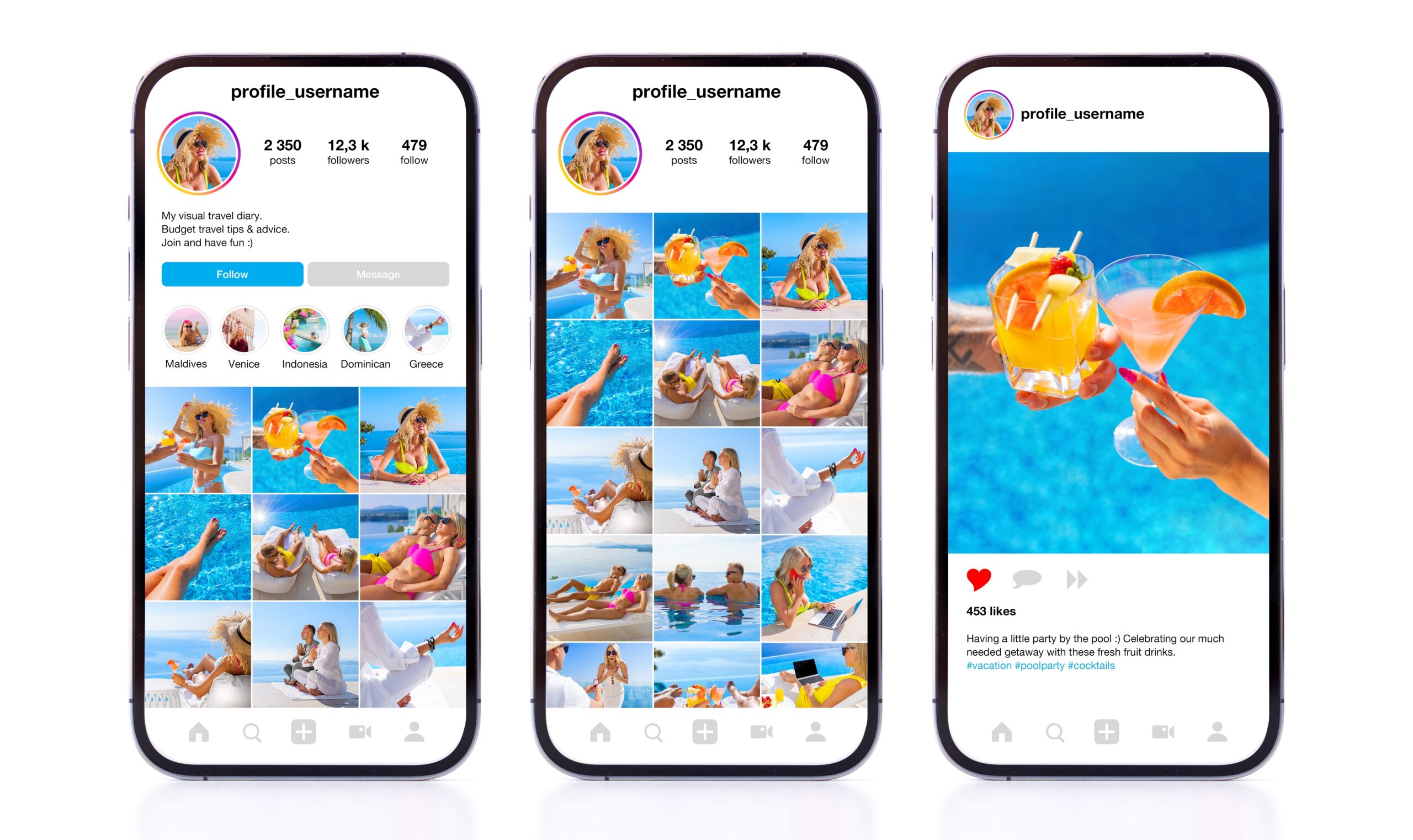
                    Instagram has over 1.4 billion users, and around 80% of marketers leverage this platform! Engagement metrics such as likes, comments, and shares are higher on Instagram compared to other social media channels, especially as they continue to develop features for IG stories and Reels.

                    For local businesses, Instagram is a powerful tool:

                    Having a strong presence on Instagram can convert casual viewers into loyal customers through consistent interaction and relatable content.

                    2. Optimize Your Profile for Maximum Visibility


                    Optimizing your profile is crucial for standing out on Instagram. A cohesive, professional-looking profile enhances your brand identity and attracts potential customers. Here are the key elements to focus on:

                    1. Cohesive Visual Style

                    Use consistent color palettes, fonts, and graphics to create a recognizable and aesthetically pleasing profile.

                    By optimizing these elements, you can ensure that visitors immediately understand what your business offers and are motivated to engage with your content.

                    2. Craft a Compelling Bio that Connects with Your Audience

                    A well-crafted bio is essential for making a strong first impression. Key elements include:

                    2.1 Effective brand messaging in your bio can create an instant connection with your audience:

                    If you keep all these elements in mind, you’ll ensure your bio is not only informative but is also engaging. This will guide your audience effortlessly to the most important parts of your brand.

                    3. Create Engaging Content that Resonates with Your Audience

                    To enhance your Instagram presence, it’s crucial to have clear goals for your content strategy, whether that’s boosting sales or growing your audience. Consider incorporating a variety of content types:

                    Additionally, don’t overlook the value of personal connection. Share relatable stories and use engaging language to connect with your audience on a deeper level.

                    4. Use Instagram Stories and Highlights to Captivate and Engage Your Audience

                    Instagram Stories offer a dynamic way to connect with your audience in real-time. Utilize this feature for spontaneous updates, behind-the-scenes content, and time-sensitive promotions to spark interest and encourage interaction.


                    To extend the reach of your top posts, share them in your Stories and save them to Highlights. This approach not only increases their visibility but also ensures that key content remains accessible for longer. Highlights allow you to categorize and showcase important information, such as product features or customer testimonials, making it easier for followers to find and revisit crucial details.

                    By leveraging both Stories and Highlights, you keep your content engaging, accessible, and always relevant to your audience.

                    5. Embrace Video Content with Reels to Stand Out on the Platform

                    5.1 Harnessing the Power of Instagram Reels

                    Instagram Reels have become a central feature for video content on the platform, offering a dynamic way to connect with your audience. Their engaging format and wide reach make them a valuable tool for boosting interaction and visibility.

                    5.2 Tips for Creating Captivating Reels:

                    By focusing on these strategies, you can leverage Reels to capture attention, drive higher engagement rates, and enhance your presence on Instagram.

                    6. Foster a Sense of Community Through Active Engagement Techniques with Your

                    Followers

                    Building a genuine connection with your audience is crucial for community building. Active engagement strategies include:

                    Encouraging two-way communication helps create a loyal and engaged community around your brand, enhancing follower interaction and trust.

                    7. Use User-Generated Content (UGC) to Build Trust and Involve Your Customers in Your Brand Storytelling Efforts

                    User-Generated Content (UGC) can humanize your brand and establish trust by showcasing real experiences from your customers. Encouraging customers to share their stories or photos featuring your products involves them in your brand’s narrative, fostering a better sense of community.

                    7.1 Benefits of UGC:

                    7.2 Methods to Encourage UGC:

                    1. Create Hashtags: Develop branded hashtags for customers to use.
                    2. Feature Customer Content: Share user posts on your feed or stories.
                    3. Run Contests: Incentivize content creation with rewards.

                    UGC not only boosts credibility but also enriches your content strategy with diverse perspectives from your audience.

                    8. Expand Your Reach by Collaborating with Influencers or Complementary Brands

                    8.1 Benefits of Working with Influencers

                    8.2 Finding the Right Influencers​

                    8.3 Collaborative Campaigns with Complementary Brands or Creators​

                    9. Use Instagram Shopping Features to Drive Sales Directly from Your Posts or Stories

                    Instagram offers powerful shopping features that can turn your profile into an interactive online store. By using Instagram Shopping tools, you can:

                    By incorporating these features, you simplify the buying process and increase sales directly from the platform, making it more convenient for customers and boosting your revenue.

                    10. Boost Engagement Levels Through Well-Designed Promotions or Giveaways That Encourage Interaction Among Followers

                    Creating engaging promotions and giveaways can significantly enhance your interaction with followers. To design effective promotions:

                    Running giveaways can increase both followers and shares. Use Instagram Insights to measure the effectiveness of these efforts, tracking metrics like engagement rates and follower growth.

                    11. Maintain a Consistent Posting Schedule to Stay Relevant in Your Niche Market Space Over Time

                    Maintaining a regular posting schedule is crucial for keeping your local business relevant on Instagram. Active accounts are favored by Instagram’s algorithm, which increases the visibility of your posts in followers’ feeds.

                    Importance Of Maintaining a Regular Posting Schedule

                    Understanding How Algorithms Favor Active Accounts

                    Instagram’s algorithm prioritizes content from active accounts. This means:


                    1. Higher Visibility: More frequent posts increase the chances of appearing in both the main feed and the Explore page.
                    2. Engagement Boost: Regular activity leads to more opportunities for likes, comments, and shares.

                    Tools For Scheduling Posts Effectively

                    Using scheduling tools can streamline the process:

                    Leveraging these tools ensures you maintain a consistent posting schedule without the need for daily manual updates. This approach not only saves time but also helps keep your content strategy organized and effective.

                    12. Analyze Performance Data Using Insights to Refine Future Marketing Strategies Based on What Works Best For You

                    Understanding what resonates with your audience is key to refining your Instagram strategy.

                    Explore Instagram's built-in analytics tools to track:

                    Identify which formats—whether images, videos, or stories—generate the most meaningful interactions from your audience. This can help you focus on content that drives higher engagement.


                    Use performance data to tweak your content strategy. Focus on high-performing posts to maximize impact and drive growth for your local business. By continuously analyzing and adjusting based on these insights, you can create a more effective and targeted approach on Instagram.


                    For businesses looking to enhance their social media presence, consider partnering with a professional agency like Backstage Digital. They are a top digital marketing agency in Texas that offers a range of services including online marketing and SEO, which can significantly boost your Instagram strategy and overall online presence.

                    13. Educate and Inform Prospective Customers with Valuable Insights

                    Providing educational content tailored to your niche can significantly elevate your local business’s Instagram presence. Sharing valuable insights not only positions you as an expert in your field but also creates deeper connections with your audience. Here’s how you can effectively use educational marketing on Instagram:


                    Value of Providing Educational Content

                    Positioning Yourself as an Authority

                    To truly stand out, consider these knowledge-sharing initiatives:

                    1. Webinars
                    2. eBooks
                    3. Infographics
                    4. Tutorial Videos

                    Webinars

                    Infographics

                    Tutorial Videos

                    By focusing on educational content, you not only offer immediate value but also position yourself as a go-to resource in your niche. This strategy helps build a loyal community around your brand while simultaneously attracting new followers who are searching for expert advice and insights.

                    Get Help Today

                    Nemo enim ipsam voluptatem quia voluptas lorem aspernatur aut odit aut fugit sed quia.